Electrical advice
How to change a downlight bulb
09 Nov 2026 • 7 minutes
Electrical advice
09 Nov 2026 • 7 minutes
In many cases, yes. If your LED downlight contains a standard removable bulb and you feel comfortable changing it, you can usually replace the bulb yourself. Make sure you follow the manufacturer's advice and take safety precautions..
However, it's important to check whether you actually have a replaceable LED bulb or an integrated LED downlight.
With a replaceable LED downlight, the bulb can be removed from the fitting and swapped for a suitable replacement.
However, an integrated LED downlight is different. The LED forms part of the fitting itself, so there isn't a separate bulb to change. This means if an integrated LED fails, the entire light fitting may need to be replaced.
Replacing an electrical fitting isn't the same as simply changing a light bulb and should be carried out by a qualified electrician. If you're unsure which type of downlight you have, get professional advice rather than attempting to remove the fitting yourself.
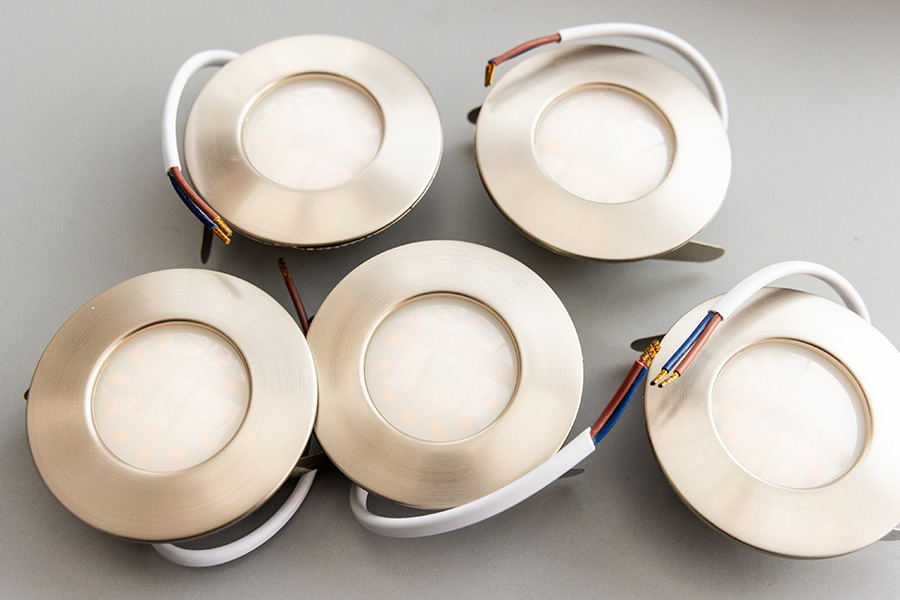
A downlight is a type of light fitting that's recessed into the ceiling, rather than hanging down from it. As the name suggests, it's designed to direct light downwards into the room below.
Downlights are commonly used in kitchens, bathrooms, hallways and other areas where you might want a streamlined lighting setup. However, there are several types of downlights, and how you change the bulb will depend on the fitting you have.
Some downlights contain a standard replaceable bulb, such as a GU10 bulb, while others use an integrated LED. With an integrated LED downlight, the light source is part of the fitting itself, so there isn't a separate bulb you can simply remove and replace.
The exact process for changing a bulb in a downlight depends on the type of fitting you have, so don't try to force the bulb or any part of the downlight if it doesn't come away easily.
Firstly, make sure you have the right bulb. Downlight bulbs can often look similar, but that doesn’t always mean they’re compatible with your light fitting.
Before starting, make sure the light is turned off. For additional safety, switch off the relevant lighting circuit at your consumer unit (or fuse box) rather than relying on the light switch alone. This will make sure the fitting isn’t receiving power while you change the bulb.
Some bulbs can become very hot during use. If the light has recently been switched on, give the bulb plenty of time to cool before touching it.
You'll also need to make sure you can comfortably reach the downlight. If it's above head height, use a stable stepladder on a flat surface rather than stretching to reach the fitting.
Before you start removing anything, take a closer look at how the bulb is held within the downlight. Common designs include:
You may also have an integrated LED downlight. These don't contain a separate replaceable bulb, so if the LED has failed, the entire fitting may need to be replaced by a qualified electrician.
If you're unsure which type you have, check the manufacturer's instructions before attempting to remove the bulb.
Once you've identified the type of downlight you have, you can work out how to release the bulb.
Always handle the fitting carefully. If anything feels stuck or you're unsure how it comes apart, don't force it. Check the manufacturer's instructions or ask a qualified electrician for help instead.
Expert tip: You can get suction cups that can help you get a good grip on the bulb to remove it easily.
With this type of downlight, gently turn the faceplate to release it and gain access to the bulb.
Once the faceplate has been released, carefully remove the bulb from its holder. For example, a GU10 bulb will usually need to be gently pushed in and turned anti-clockwise before it can be removed.
Carefully release the clip by pinching the two ends together and remove it from the fitting. You should then be able to reach the bulb and it can be gently removed from its holder.
Keep the retaining clip somewhere safe - you'll need to secure it back into position once the replacement bulb has been installed.
If your downlight has a removable faceplate, carefully remove or unclip it to access the bulb behind it.
Once you've removed the faceplate, release the bulb from its holder. If the faceplate doesn't come away easily, don't pull or force it, as this could damage the fitting.
Before fitting your new bulb, check that it matches the type, size and specification required for your downlight. If you're unsure, compare it with the old bulb or check the manufacturer's instructions.
Carefully insert the new bulb into the holder and secure it in place, following the removal steps in reverse. Make sure any retaining clips, rings or faceplates you removed are securely refitted.
Once everything is back in place, turn the power back on and check that the new bulb works. If it doesn't, check that you've chosen the correct bulb. If the problem continues, contact a qualified electrician to help.
Changing a standard removable downlight bulb is usually a relatively simple job. However, if the problem goes beyond the bulb itself, it's best to leave the work to an expert.
You should contact an electrician if:
If bulbs repeatedly fail or a downlight continues to cause problems, there may be an issue with the fitting or electrical circuit rather than the bulb. If this happens, get in touch with a qualified electrician who can look into the cause and carry out any necessary repairs safely.
Not every lighting job involves an electrical fault. If you simply want to replace an existing light fitting with a new one, you can book a job through Ding, our home repairs membership.
Unexpected electrical faults can happen when you least expect them. With HomeServe's Electrics cover, you’ll have access to qualified electricians if there’s a problem with your light fittings, electrical connections or other electrics around your home.
Our help & advice articles cover Plumbing, Home heating, Electrical, Energy-saving and Home maintenance.