Does home insurance cover roof leaks?

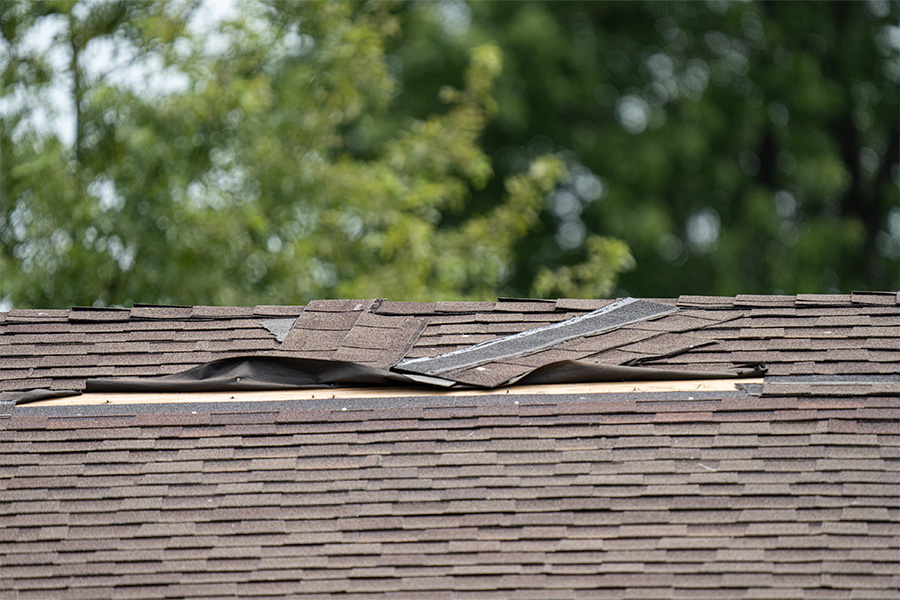
A damaged felt tile roof.

A leaking roof can be stressful to deal with. Whether you've spotted a damp patch on the ceiling or discovered water dripping into your home after a storm, one of the first questions you'll probably ask is whether your home insurance will cover the damage.

In short, it all depends on what caused the leak and the level of your insurance. In this guide, we'll explain when roof leaks and roof damage are typically covered by home insurance, when they might not be, and what steps you should take if you discover a leak in your home.


Table of contents

  1. Common causes of roof damage or leaks in your roof
  2. When is roof damage covered by home insurance?
  3. When is roof damage not covered by home insurance?
  4. What to do if your roof is leaking
  5. How to prevent roof leaks
  6. Protect your home with HomeServe cover

Common causes of roof damage or leaks in your roof

Before looking at what is and isn't covered by home insurance, it's helpful to understand some of the most common causes of roof leaks.

Severe weather

Severe weather is one of the most common causes of roof damage in the UK.

High winds can dislodge roof tiles, heavy rainfall can expose weaknesses in roofing materials, and snow or ice can put additional strain on a roof structure. Hail and storms can also damage tiles, flashing and gutters, increasing the risk of leaks.

Vandalism

Although less common, vandalism can sometimes cause damage to a roof.

Broken roof tiles, damaged guttering, or deliberate damage to roofing materials can all create opportunities for water to enter the property.

Accidental damage

Accidental damage can occur during maintenance work, DIY projects, or construction work taking place near the property.

For example, someone working on the roof may accidentally damage tiles or flashing, leading to leaks later on.

Animal infestation

Birds, squirrels, and other animals can sometimes damage roofs by dislodging tiles, nesting in roof spaces, or chewing through materials.

Over time, this damage can create entry points for water, leading to leaks.

Falling trees

Branches or entire trees can cause significant damage to roofs, particularly during storms or periods of high winds.

Even relatively minor impacts can crack tiles or damage roofing materials, allowing water to penetrate the property.

Fires

Fires can cause direct damage to roofing materials and structures. Even smaller fires may weaken parts of the roof, increasing the likelihood of leaks and further damage.

When is roof damage covered by home insurance?

Most buildings insurance policies cover sudden and unexpected damage to your roof. While cover varies between insurers, roof damage may be covered in situations such as:

  • Storm damage: Roof damage caused by storms is one of the most common reasons for insurance claims. This can include missing roof tiles, damaged flashing, or water entering your home after high winds or heavy rainfall.
  • Other acts of nature: Many policies also cover sudden and unexpected damage caused by severe weather, such as snow, ice, or hail.
  • Falling trees: If a tree or large branch falls onto your roof and causes damage to tiles, guttering or the roof structure, this is often covered by buildings insurance.
  • Outside debris damage: Flying debris during storms can crack roof tiles or damage other roofing materials, potentially leading to leaks.
  • Vandalism: Deliberate damage to your roof, such as broken tiles or damaged guttering, may also be covered by your home insurance policy.

Always check your policy documents, as cover levels and exclusions can vary between providers.

When is roof damage not covered by home insurance?

Home insurance is designed to cover sudden and unexpected events, rather than damage that develops over time. Roof damage is generally not covered in situations such as:

  • Wear and tear: Damage caused by ageing roof tiles, deteriorating materials or a lack of regular maintenance is usually considered the homeowner's responsibility rather than an insurable event.
  • Damage to your belongings: If a roof leak causes damage to furniture, carpets or personal possessions inside your home, this would usually be covered under contents insurance rather than your home insurance.
  • Faulty repairs or workmanship: If the leak is the result of poor-quality repairs, incorrect installation or defective workmanship, your insurer is unlikely to cover the cost of repairing the roof.

If you're unsure whether your roof leak is covered, it's always worth checking your policy documents or speaking to your insurer before arranging repairs.
What to do if your roof is leaking

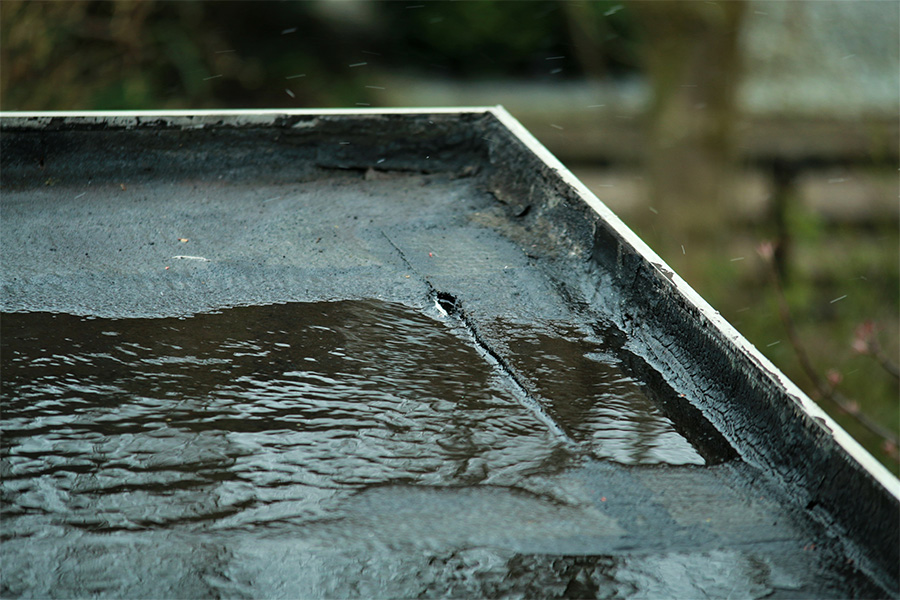
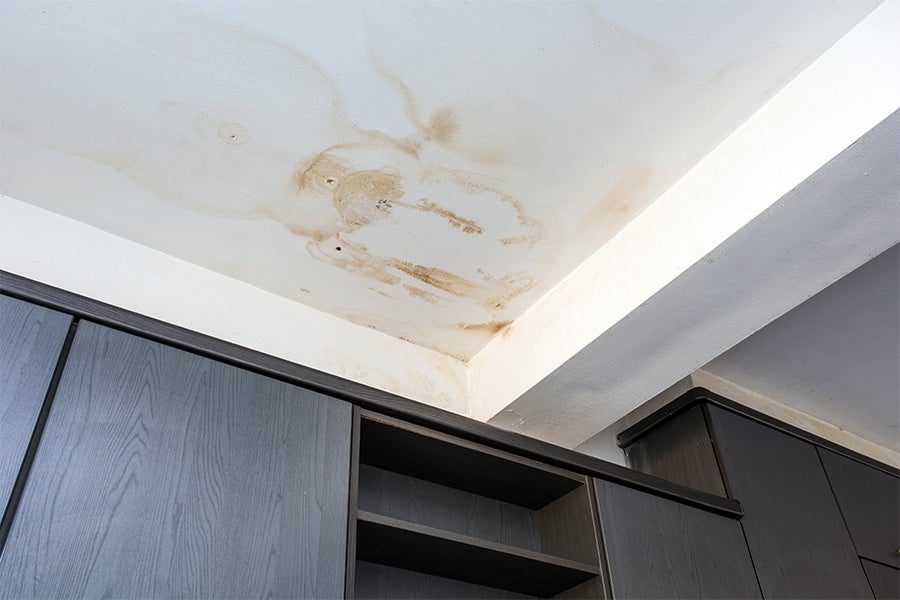
A leaking flat roof.

If you discover a roof leak, acting quickly can help minimise damage to your property. Here are some things you can do:

  • Place a bucket or container underneath the leak to collect water
  • Move furniture, electronics, and valuables away from the affected area
  • Use towels or protective coverings to limit water damage
  • Take photographs of any damage for insurance purposes
  • Contact your insurer if you believe the damage may be covered

How to prevent roof leaks

While not all roof leaks can be avoided, regular maintenance can help reduce the risk. Some simple preventative measures include:

  • Checking roof tiles regularly for signs of damage
  • Cleaning gutters and downpipes
  • Removing debris from the roof
  • Maintaining flat roofs and checking seals
  • Trimming overhanging tree branches
  • Arranging professional roof inspections when needed

Spotting issues early can often prevent minor problems from becoming major repairs.

Protect your home with HomeServe cover

When you spot a roof leak, you’ll likely want to prevent further water damage. With our Heating, Plumbing, Electrics and Plus cover, you'll have access to temporary emergency assistance for roof leaks.

Get that extra peace of mind with our cover, so you know you'll have expert support on hand if unexpected home emergencies arise.

Share this post

About the author


Martin has more than 30 years experience within the gas industry and has worked for the regulator, CORGI, before moving into the private sector in 2009 to oversee gas compliance matters on the Government’s flagship energy scheme, Warm Front.

Martin is recognised in the gas industry with an Incorporated Engineer status (IEng); Martin is currently a member of the Gas Utilisation Committee with the Institutions of Gas Engineers and Managers (IGEM) and assist the gas industry by sitting on a number of committees which develop safety standards and guidance.

Martin is a fully qualified gas incident investigator and has a proven track record of competence through the national Accredited Certification Scheme (ACS) in domestic, non-domestic and Liquefied Petroleum Gas (LPG) gas installations.

Martin has been employed by HomeServe Membership Ltd since 2014 and currently holds the position of Head of Technical Governance.

  • Gas qualified in Domestic, Non-Domestic and LPG installations
  • Qualified Gas Incident Investigator – IGEM/G/L/8
  • BTEC Higher National Certificate Building/Construction Studies
  • LCL Level 3 Award in Initial Verification, Periodic Inspection, Testing Condition Reporting and Certification of Electrical Installations
  • City & Guild 6032 Advanced Craft Certificate Plumbing
  • Water Regulations

Years qualified

30+
Read more

Share this post

About the author


Martin has more than 30 years experience within the gas industry and has worked for the regulator, CORGI, before moving into the private sector in 2009 to oversee gas compliance matters on the Government’s flagship energy scheme, Warm Front.

Martin is recognised in the gas industry with an Incorporated Engineer status (IEng); Martin is currently a member of the Gas Utilisation Committee with the Institutions of Gas Engineers and Managers (IGEM) and assist the gas industry by sitting on a number of committees which develop safety standards and guidance.

Martin is a fully qualified gas incident investigator and has a proven track record of competence through the national Accredited Certification Scheme (ACS) in domestic, non-domestic and Liquefied Petroleum Gas (LPG) gas installations.

Martin has been employed by HomeServe Membership Ltd since 2014 and currently holds the position of Head of Technical Governance.

  • Gas qualified in Domestic, Non-Domestic and LPG installations
  • Qualified Gas Incident Investigator – IGEM/G/L/8
  • BTEC Higher National Certificate Building/Construction Studies
  • LCL Level 3 Award in Initial Verification, Periodic Inspection, Testing Condition Reporting and Certification of Electrical Installations
  • City & Guild 6032 Advanced Craft Certificate Plumbing
  • Water Regulations

Years qualified

30+
Read more

Still looking for more help & advice?

Our help & advice articles cover Plumbing, Home heating, Electrical, Energy-saving and Home maintenance.
View all articles