How do you use a drain snake?

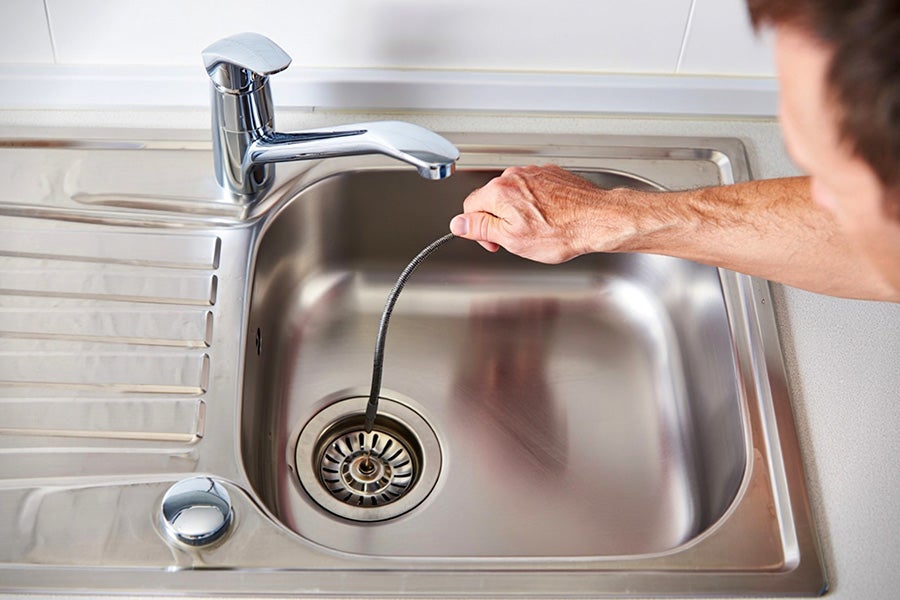
A drain snake being used to unblock a kitchen sink.

A blocked drain can quickly turn from a small annoyance into a bigger problem, especially when a plunger just isn’t doing the job. That’s where a drain snake can help. Used correctly, it’s a simple tool that can clear stubborn blockages and get things flowing again. 

In this guide, we’ll explain what a drain snake is, when it’s safe to use one, how to use it properly, and when it’s best to stop and call in a professional


Table of contents

  1. What is a drain snake?
  2. When should you use a drain snake?
  3. How to use a drain snake
  4. Using a drain snake on different drains
  5. Common mistakes to avoid when using a drain snake
  6. When to stop and contact a professional for your drains
  7. Get help with Plumbing and Drainage cover

What is a drain snake?

A drain snake (sometimes called a plumbing snake, drain auger, or drain rod) is a flexible metal cable designed to reach deep into pipes and break up or hook onto blockages that you can’t reach by hand.

Unlike a plunger, which works by creating pressure at the drain opening, a drain snake physically travels down the pipe. This makes it particularly effective for clearing clogs caused by hair, soap residue, food waste, or small objects lodged farther down the drain.
Types of drain snakes

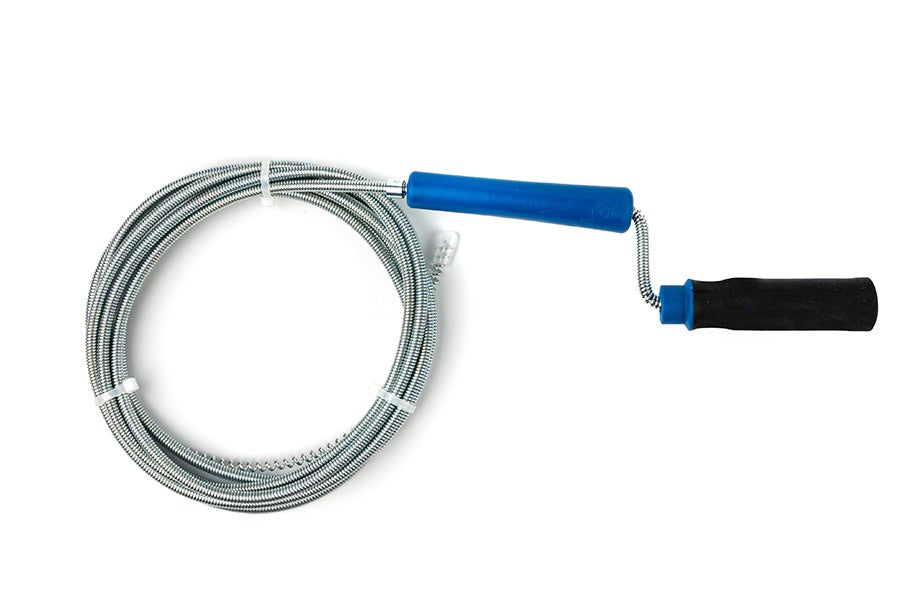
An example of a handheld drain snake.

Thee are a few different types of drain snakes, and choosing the right one depends on the type of drain and blockage:

  • Handheld drain snakes: Ideal for sinks, showers, and baths. These are the most common types for household use.
  • Toilet augers: Designed specifically for toilets, with a protective sleeve to prevent damage to the porcelain.
  • Powered or electric drain snakes: Stronger and longer, but usually best handled by professionals due to the risk of damaging pipes when used.
  • Flat tape snakes: Thinner designs that work well in narrow pipes or tight bends.

When should you use a drain snake?

A drain snake is most useful when a blockage is too stubborn for a plunger but doesn’t point to a more serious plumbing issue.

You might want to use a drain snake if:

  • Water is draining slowly from a sink, shower, or bath
  • The same drain keeps blocking repeatedly
  • You suspect hair, soap build-up, or food waste is causing the blockage

However, a drain snake shouldn’t be used if:

In these cases, contacting a plumber is usually the safest option.

How to use a drain snake

Before you start, make sure you’re prepared. You’ll need:

  • A drain snake
  • Gloves
  • Towels or a bucket to catch any water

To use a drain snake safely:

  1. Depending on the drain, move anything blocking the way. This could mean removing the trap from under the sink.
  2. Feed the end of the snake slowly into the drain opening.
  3. Turn the handle gently as you push it forward, allowing the cable to work its way through bends in the pipe.
  4. When you feel resistance, rotate the snake to break up or hook onto the blockage.
  5. Carefully pull the snake back out, bringing the debris with it.
  6. Run water through the drain to check that it’s flowing freely.

Avoid using excessive force at any stage, as this can scratch or damage your pipes.

Using a drain snake on different drains

Different drains may need slightly different approaches.
Sinks

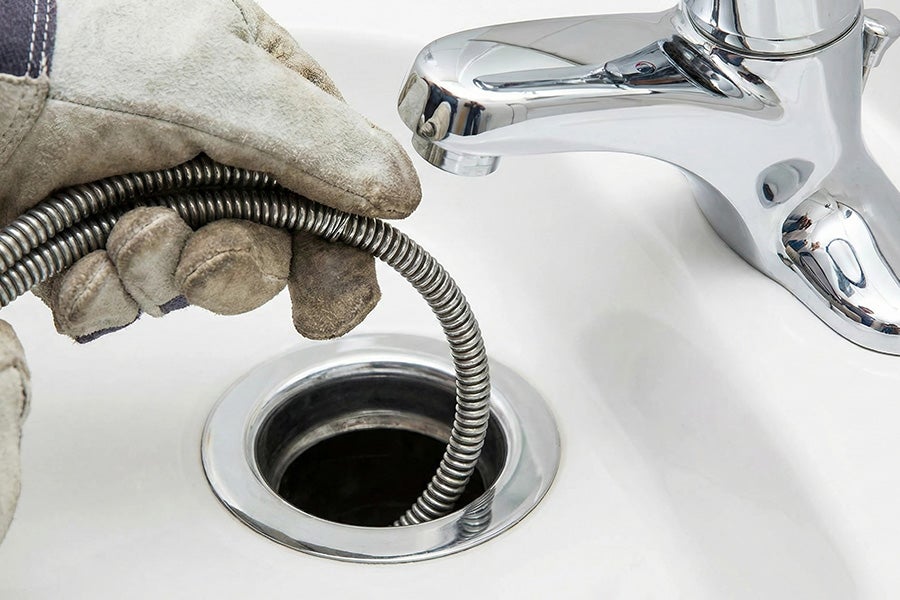
A drain snake being used to unclog a bathroom sink.

Kitchen sinks are often blocked by food waste and grease, while bathroom basins can be blocked by hair, soap scum and other toiletries. You may need to remove the plug or drain cover to get clear access before inserting the snake.
Showers and baths

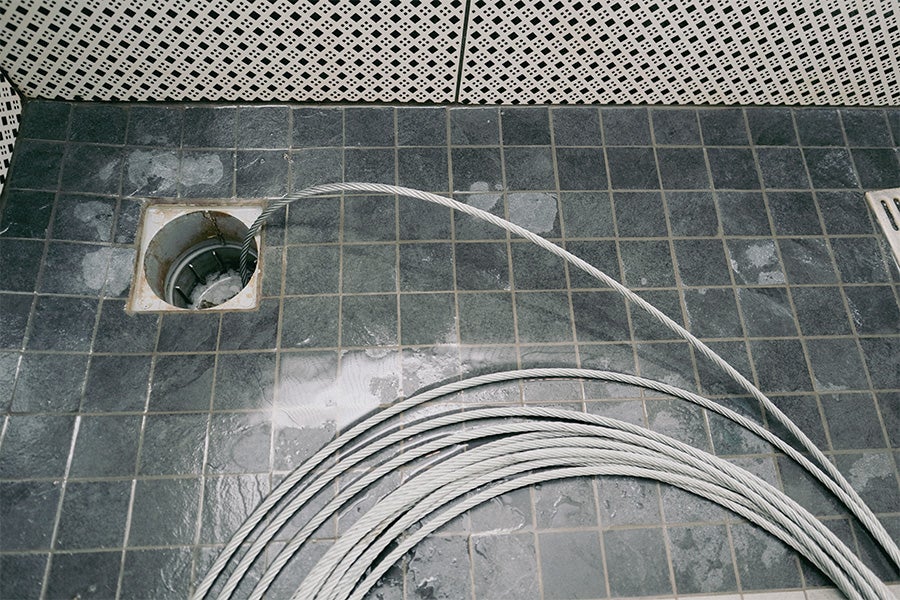
A large drain snake being used to unblock a shower drain.

Hair and soap build-up are the most common causes in bath and shower drains. Remove the drain cover if possible and work slowly to avoid pushing the blockage further down.

Toilets

Always use a toilet auger when trying to unblock a toilet, not a standard drain snake. Toilet augers are designed to protect the bowl and reach blockages safely.
Outdoor drains

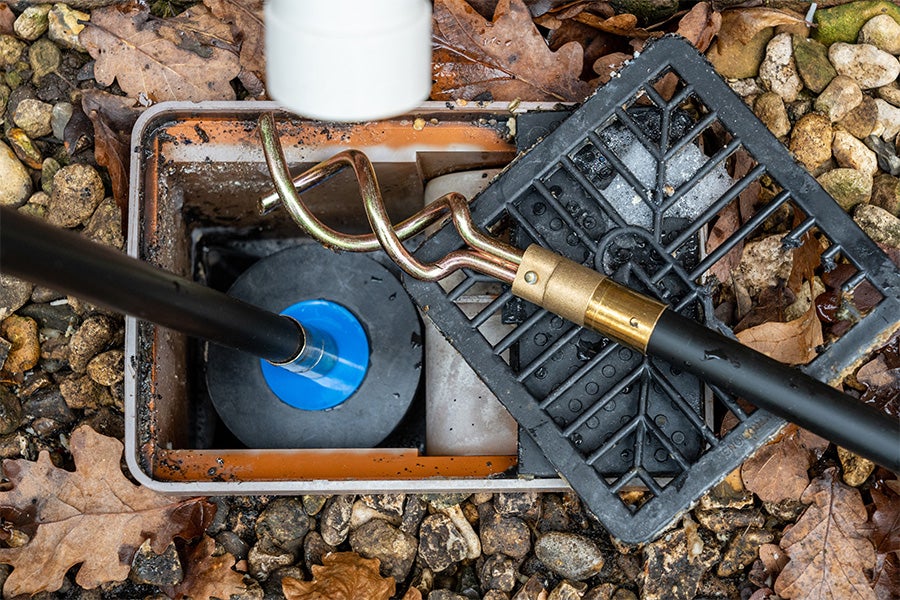
A long plunger and drain rod being used to unblock an outside drain.

Unblocking an outdoor drain usually requires a longer, stronger drain snake. These blockages can be more stubborn, so if you’re having trouble, it’s often best to leave them to a professional plumber.

Common mistakes to avoid when using a drain snake

  • Using the wrong type of snake for the drain
  • Forcing the cable when it meets resistance
  • Using a drain snake after chemical drain cleaners (this can be dangerous)
  • Forgetting to flush the drain thoroughly after clearing the blockage

When to stop and contact a professional for your drains

Sometimes DIY just isn’t the right solution. It’s time to call a professional plumber if:

  • The blockage keeps coming back
  • More than one drain is affected
  • Water backs up elsewhere in your home
  • You’re unsure what’s causing the problem

Contacting a plumber early can prevent further damage and often save time and stress, especially when combined with regular drain maintenance to help avoid repeat blockages.

Get help with Plumbing and Drainage cover

If drainage problems crop up in the future, HomeServe can help. With Plumbing and Drainage cover, you’ll have access to qualified plumbers who can diagnose and fix issues quickly and safely.

From blocked drains to more complex plumbing problems, HomeServe is a friendly, reliable helping hand just a call or click away when you need expert support.

Share this post

About the author

Liam has been working for HomeServe for over 18 years, starting as a water supply engineer then obtaining the required qualifications and venturing into Plumbing and Drainage, expanding his knowledge of the sector.

There are not many places left in England where Liam has not completed a job for HomeServe. He’s worked on water from 4” pipes to 15 mm pipes. One of his biggest jobs to date was installing the water supply pipe to one of the training pools for the Olympics in London 2012. Liam is now one of our Service Excellence Coaches, who help support our engineers in the field.

Why HomeServe?

Liam has been with HomeServe for so long because of the commitment they have on being the best, striving to give the customers the best journey. Many businesses do not care about their staff, this is not the case at HomeServe who put it at the heart of what they do.

Years qualified

18 years working in Water Supply, Plumbing and Drainage.

Read more

Share this post

About the author

Liam has been working for HomeServe for over 18 years, starting as a water supply engineer then obtaining the required qualifications and venturing into Plumbing and Drainage, expanding his knowledge of the sector.

There are not many places left in England where Liam has not completed a job for HomeServe. He’s worked on water from 4” pipes to 15 mm pipes. One of his biggest jobs to date was installing the water supply pipe to one of the training pools for the Olympics in London 2012. Liam is now one of our Service Excellence Coaches, who help support our engineers in the field.

Why HomeServe?

Liam has been with HomeServe for so long because of the commitment they have on being the best, striving to give the customers the best journey. Many businesses do not care about their staff, this is not the case at HomeServe who put it at the heart of what they do.

Years qualified

18 years working in Water Supply, Plumbing and Drainage.

Read more

Still looking for more help & advice?

Our help & advice articles cover Plumbing, Home heating, Electrical, Energy-saving and Home maintenance.

View all articles