Electrical advice
No earth wire on a light fitting: What you need to know
09 Nov 2026 • 9 minutes
Electrical advice
09 Nov 2026 • 9 minutes
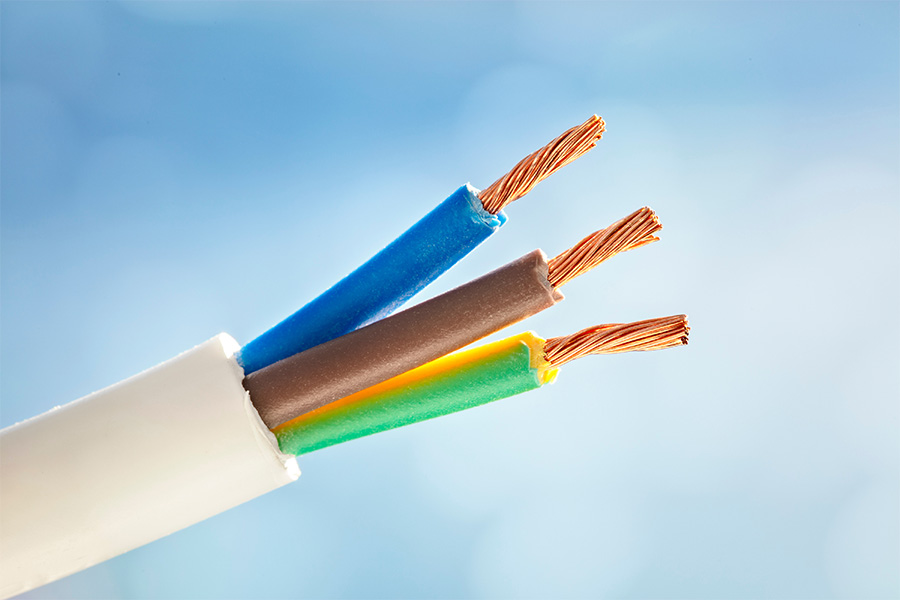
An earth wire is an important safety component in your home's electrical system. Unlike the live and neutral wires, it doesn't normally carry electricity during everyday use.
Instead, the earth wire provides a safe path for electricity to travel to the ground if a fault develops, such as an electrical overload. This helps to lower the risk of electric shock if the exposed metal parts of a light fitting become live.
In modern UK electrical wiring, the earth wire is green and yellow. You may see solid green earth wires or bare copper wiring in older properties. This was standard before the wiring regulations changed in 2004.
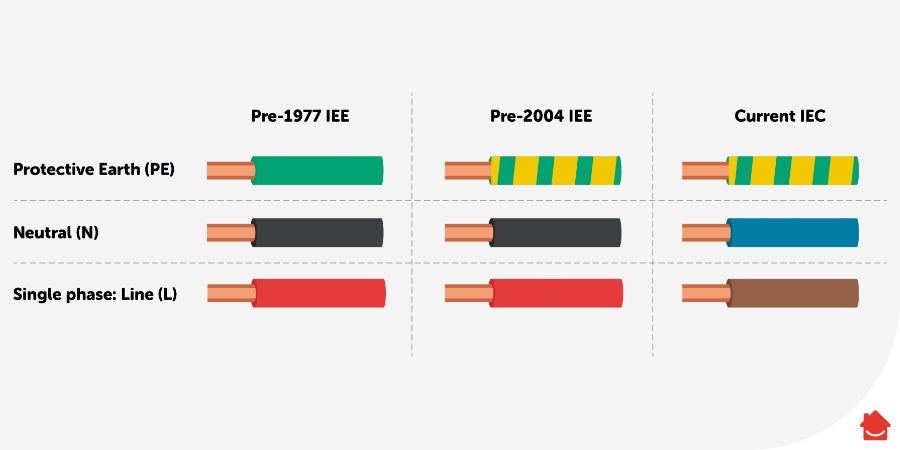
Finding no earth wire on a light fitting is more common than many homeowners realise, particularly in older properties.
In the past, some lighting circuits were installed using a two-core cable, which didn't include an earth wire. This met the wiring standards of the time, so it isn't always a sign that the installation is incorrect.
In other cases, an earth wire may actually be present within the ceiling wiring, but isn't connected because the existing light fitting doesn't need one.
Over the years, electrical regulations have evolved to improve safety. Modern installations usually need an earth connection for Class 1 light fittings. Older homes may have lighting circuits without earth wires, if plastic or non-metal light fittings were used in the past.
Not every light fitting requires an earth wire. Whether an earth connection is needed depends on the type of fitting you've chosen. Most light fittings fall into one of two categories: Class I (earthed) or Class II (double-insulated).
Understanding the difference is important before replacing a light fitting.
Class I light fittings use basic insulation and need an earth connection for safety. They often have exposed metal parts, which the earth wire helps prevent from becoming live if a fault develops.
The earth wire provides a safe route for electricity to flow to the ground, helping prevent electric shock.
Because of this, Class I light fittings must always be connected to an earth wire. If there isn't an earth wire, a qualified electrician should be able to help with the installation.
Class II light fittings are designed differently. Instead of an earth connection, they're built with two independent layers of insulation between the electrical components and any external surfaces. This is known as double insulation.
Because of this extra protection, Class II light fittings and switches don't need an earth wire and remain safe even if there is an electrical fault.
Many plastic and metal-effect fittings may also be double-insulated.
The easiest way to tell whether your light fitting needs an earth wire is to look for the double-insulated symbol. This is usually shown as one square inside another square on the fitting or within the manufacturer's instructions.

If your light fitting displays this symbol, it's a Class II fitting, meaning it doesn't need an earth connection.
If you can't find the symbol or you're unsure whether your fitting is Class I or Class II, don't guess. It's always safest to check the manufacturer's instructions or ask a qualified electrician.
Whether it's safe to have no earth wire on your light fitting depends on both the wiring in your home and the type of light fitting that's installed.
If your light fitting is Class II (double-insulated), it's perfectly normal for it not to need an earth connection. These fittings are designed to provide protection through double insulation, making them safe to use without an earth wire.
However, if you have a Class I (earthed) light fitting and there's no earth wire available, this could be a safety risk. There is a risk of electric shock without an earth connection, as exposed metal parts may become live if there is an electrical fault. If you're unsure which type of fitting you have, don't attempt to install or replace it yourself - get a qualified electrician to check it first.
Older properties are more likely to have lighting circuits without earth wires, but that doesn't always mean the installation is unsafe. The important thing is ensuring the light fitting is suitable for the wiring that's already in place.
If you're not sure whether your lights are safe, ask a qualified electrician before doing any electrical repairs or fitting a new light.
When changing a light fitting, you should consider contacting an electrician if:
An electrician can safely inspect your wiring, confirm whether an earth connection is needed and recommend the most appropriate solution for your home.
If your property has older electrics, they may also recommend an Electrical Installation Condition Report (EICR) to assess the overall safety of your electrical installation.
Whether you’re replacing a light fitting or dealing with an unexpected electrical fault, there’s expert help available. If you simply want to replace an existing light fitting with a new one, you can book a job through Ding and leave it to a professional.
For future electrical problems, HomeServe’s Electrical cover can give you extra peace of mind. If a fault develops with your light fitting or its electrical connection, you’ll have access to qualified electricians who can help get things back up and running.
Our help & advice articles cover Plumbing, Home heating, Electrical, Energy-saving and Home maintenance.