Do you need new radiators with a heat pump in the UK?

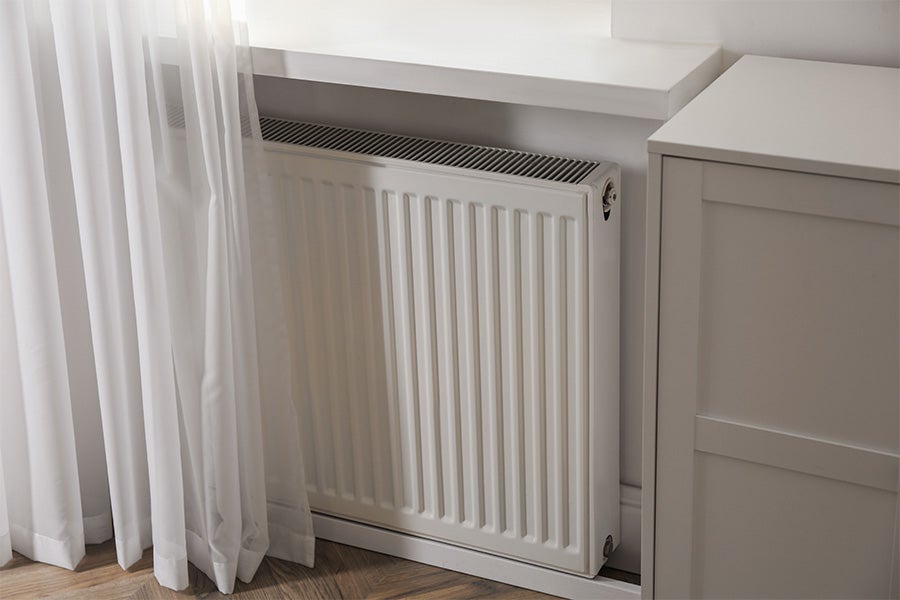
A double radiator underneath a window ledge.

If you’re weighing up a heat pump installation, you may be wondering whether your current radiators will still do the job. The short answer is that in most cases, you may need larger radiators, but you won’t always need to replace every radiator in your home. 

In this guide, we’ll explain how heat pumps work with radiators, how to size them correctly, and whether underfloor heating could be a better option for your property.


Table of contents

  1. Do heat pumps work with radiators?
  2. How to size radiators for a heat pump
  3. Are radiators or underfloor heating better with heat pumps?
  4. Reliable servicing for your air source heat pump

Do heat pumps work with radiators?

Yes, heat pumps do work with radiators, but they heat your home a little differently from a traditional gas boiler.

It all comes down to flow temperature. This is the temperature of the hot water as it leaves your heating system and circulates through your radiators (or underfloor heating).

Boilers typically run at higher flow temperatures than heat pumps, usually around 50–70 °C, depending on the type of boiler and the time of year. This higher temperature allows standard radiators to heat a room quickly. Heat pumps, however, operate at lower flow temperatures, usually between 35–55 °C. Because the water isn’t as hot, radiators need a larger surface area to release enough heat to keep your home at a comfortable temperature.

This is why some homeowners upgrading to a heat pump need larger radiators. It’s not that radiators don’t work, but that they just need to be correctly sized for a lower-temperature-based system.
How to size radiators for a heat pump

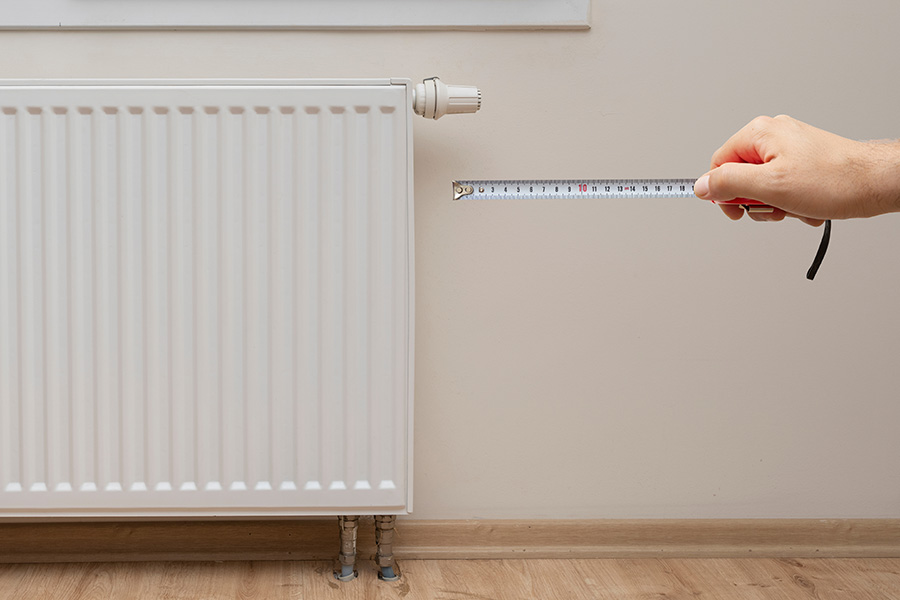
A radiator being measured for a room.

So, do you need new radiators with a heat pump? The answer depends on how your current radiators compare to what’s required for lower flow temperatures.

As a general guide, radiators used with heat pumps often need two to three times the surface area of those paired with a traditional boiler. That doesn’t necessarily mean replacing every radiator, as some may already be large enough, particularly in well-insulated rooms.

The only reliable way to determine this is through a professional heat loss calculation. A heating engineer will assess each room individually, taking into account:

  • Building elements such as walls, roof, windows, ceiling, and doors
  • Room size and ceiling height (surface area)
  • Loft insulation levels
  • Ventilation and infiltration
  • Desired indoor temperature

This room-by-room assessment ensures the system is correctly designed for your home, helping maximise heating efficiency and comfort.

Are radiators or underfloor heating better with heat pumps?

Radiators can work with heat pumps, but underfloor heating is often a more natural fit. Its larger surface area makes it effective in low-temperature systems. 

In fact, underfloor heating can be up to 40% more efficient than traditional radiators when paired with a heat pump. Lower operating temperatures mean the heat pump doesn’t have to work as hard, which can help reduce running costs over time.

However, underfloor heating isn’t always the most practical option, particularly in homes with existing radiators. Installation can be disruptive and more expensive than upgrading radiators. In many properties, upgrading selected radiators and improving insulation is enough to make a heat pump perform efficiently.

The right choice will depend on your home’s layout, your budget, and your long-term heating goals.

Reliable servicing for your air source heat pump

Whether you upgrade your radiators or not, keeping your heat pump running efficiently is essential.

Regular servicing helps protect efficiency and extend the lifespan of your system, so if you already have a heat pump or are planning to install one, we’re here to keep your home warm and running smoothly.

With our air source heat pump service plans, you can ensure your system is professionally maintained and performing at its best all year round. 

Share this post

About the author

Paul started his career with a 5 year Plumbing and Heating apprenticeship and became a fully qualified Plumbing and Heating Engineer. He has installed domestic central heating systems for local councils and also installed hot and cold water systems, heating systems and above ground drainage on new build properties.

Paul then moved into the service and repair of gas boilers and systems for larger companies such as npower and The AA before moving to HomeServe.

He continued to work in service and repair for HomeServe before pursuing an opportunity at the HomeServe Training Academy.

In the academy, he is part of the team that delivers training to HomeServe engineers and also to groups of internal and external gas apprentices, and soon to be training a group on Plumbing. The engineer training ranges from Gas ACS, unvented hot water, water regulations, heat pumps and safe electrical isolation.

HomeServe offers a fantastic work environment, and by incorporating air source heat pumps into our products and training, we demonstrate our responsiveness to evolving home heating needs and trends.

Years qualified

29 years in the plumbing and heating industry, 26 years fully qualified.

Read more

Share this post

About the author

Paul started his career with a 5 year Plumbing and Heating apprenticeship and became a fully qualified Plumbing and Heating Engineer. He has installed domestic central heating systems for local councils and also installed hot and cold water systems, heating systems and above ground drainage on new build properties.

Paul then moved into the service and repair of gas boilers and systems for larger companies such as npower and The AA before moving to HomeServe.

He continued to work in service and repair for HomeServe before pursuing an opportunity at the HomeServe Training Academy.

In the academy, he is part of the team that delivers training to HomeServe engineers and also to groups of internal and external gas apprentices, and soon to be training a group on Plumbing. The engineer training ranges from Gas ACS, unvented hot water, water regulations, heat pumps and safe electrical isolation.

HomeServe offers a fantastic work environment, and by incorporating air source heat pumps into our products and training, we demonstrate our responsiveness to evolving home heating needs and trends.

Years qualified

29 years in the plumbing and heating industry, 26 years fully qualified.

Read more

Still looking for more help & advice?

Our help & advice articles cover Plumbing, Home heating, Electrical, Energy-saving and Home maintenance.
View all articles