Energy saving advice
Are heat pumps worth it?
27 Jul 2026 • 6 minutes
Energy saving advice
27 Jul 2026 • 6 minutes
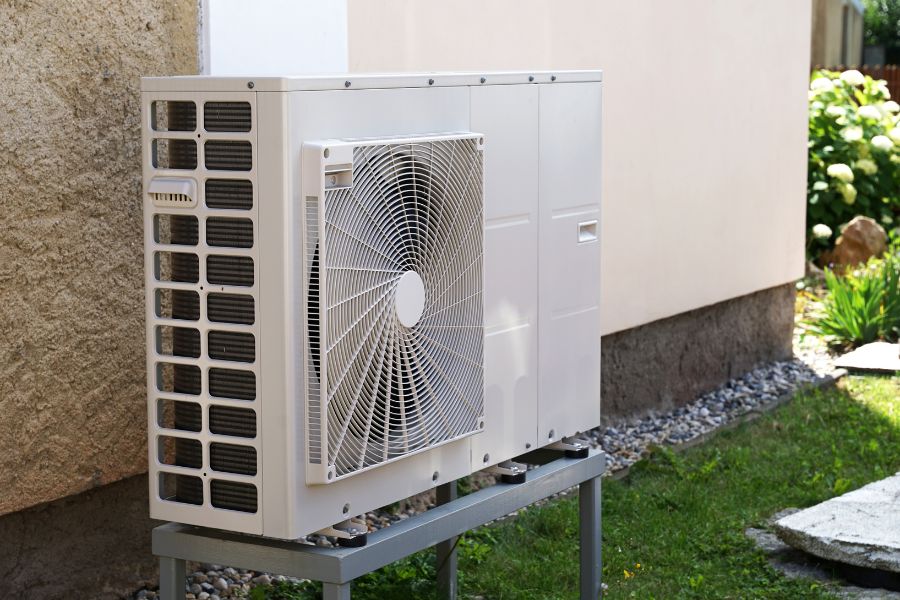
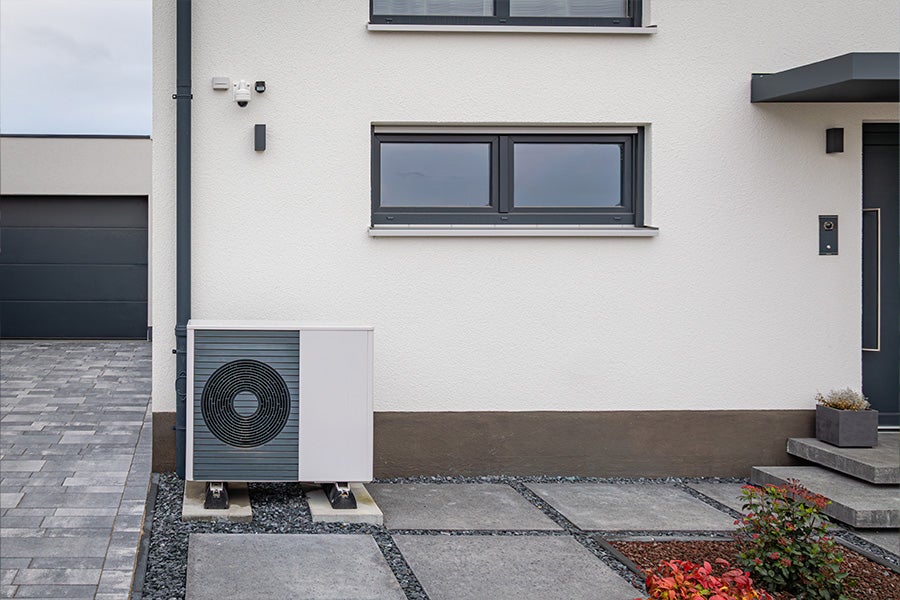
A heat pump is a low-carbon heating system that works by transferring heat rather than generating it. Instead of burning fuel like a gas boiler, it extracts heat from the air, ground or water and uses it to warm your home.
There are a few different types of heat pumps, including:
Because they move heat rather than create it, heat pumps can be far more efficient than traditional heating systems like boilers.
Heat pumps produce significantly lower carbon emissions than gas boilers because they don’t burn fossil fuels. This makes them a popular lower-carbon heating option and an important part of the UK’s move towards reducing emissions from home heating.
Modern condensing boilers are designed to meet A-rating standards, usually delivering efficiency ratings of 90% or more. However, heat pumps can have an efficiency rating of 350–450%, meaning they can produce more energy than they consume. An air source heat pump alone can reach efficiency ratings of up to around 350%.
This high efficiency rating stems from the way heat pumps transfer heat rather than generating it, allowing them to get more out of the energy they use.
Although heat pumps can be expensive to install, they are often more cost-effective over time thanks to their efficiency. Lower energy usage can help balance out the upfront cost, particularly when paired with a well-insulated home.
Heat pumps tend to last longer than traditional boilers. While a gas boiler typically lasts around 10–15 years, a heat pump can last 20–25 years with proper maintenance, making it a longer-term investment.
There are government incentives available to help reduce the upfront cost of installing a heat pump.
These incentives can make heat pumps more accessible for homeowners considering the switch.
Installing a heat pump can also increase the value of your home. Research suggests properties with air source heat pumps can see value increases of around 1.7% to 10%, as buyers increasingly look for energy-efficient homes.
One of the biggest barriers to heat pumps is the upfront cost. Installing an air source heat pump can range from £2,400 to £14,050, whilst a ground source heat pump installation can range from £16,200 to £39,000. So while grants can help, it’s still a significant investment.
Heat pumps require outdoor space for the unit, as well as room inside for components such as a hot water cylinder. This may not be suitable for all properties, particularly smaller homes or flats.
Heat pumps run on electricity, which can be more expensive than gas. However, their efficiency can help to offset this. You can also reduce costs by:
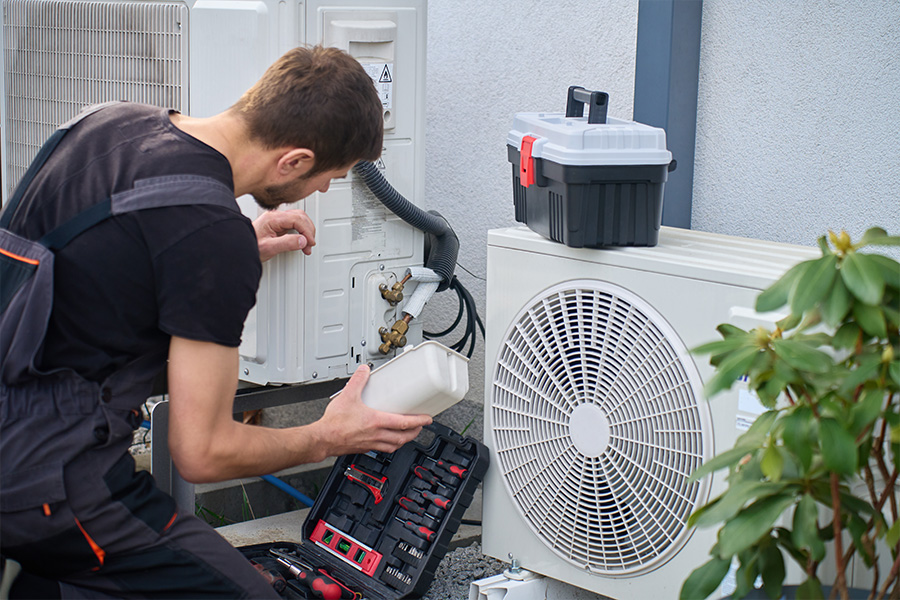
Like any heating system, heat pumps need regular maintenance. Annual servicing is typically recommended and is often required to keep your warranty valid.
Heat pumps operate at lower temperatures than boilers, which means they heat your home more gradually. To compensate, you may need larger radiators or underfloor heating.
Air source heat pumps can be less efficient in very cold conditions. However, in the UK climate, this is rarely a major issue, and modern systems are designed to perform well year-round.
Before installing a heat pump, it’s important to assess whether it’s suitable for your home.
Consider the full financial picture, including installation costs, available grants, running costs and long-term savings.
You’ll need enough outdoor space for the heat pump unit and indoor space for components like a hot water cylinder.
Heat pumps work best in well-insulated homes. Improving insulation can make a big difference to performance and efficiency.
Your current system matters too. Radiator size, pipework and layout may all need to be reviewed to ensure compatibility with a heat pump.
Heat pumps can be a great option if you’re looking for a more energy-efficient way to heat your home. They offer long-term savings, lower carbon emissions and a longer lifespan than traditional boilers.
However, they’re not right for everyone. Upfront costs, space requirements and your home’s current setup all play a role in whether a heat pump is a good fit.
If you’re unsure, getting advice from a qualified heating engineer can help you make the right decision for your home.
Once your heat pump is installed, keeping it running efficiently is key.
With HomeServe’s air source heat pump service plans, you can stay on top of maintenance and make sure your system continues to perform at its best. Regular servicing helps protect efficiency, prevent unexpected issues, and keep your home warm all year round.
Explore our heat pump service plans to find out how our experts can help keep your warranty valid, ensure your heat pump stays efficient, and stop bigger unexpected problems from cropping up with your heat pump.
Our help & advice articles cover Plumbing, Home heating, Electrical, Energy-saving and Home maintenance.