How to change a shower head

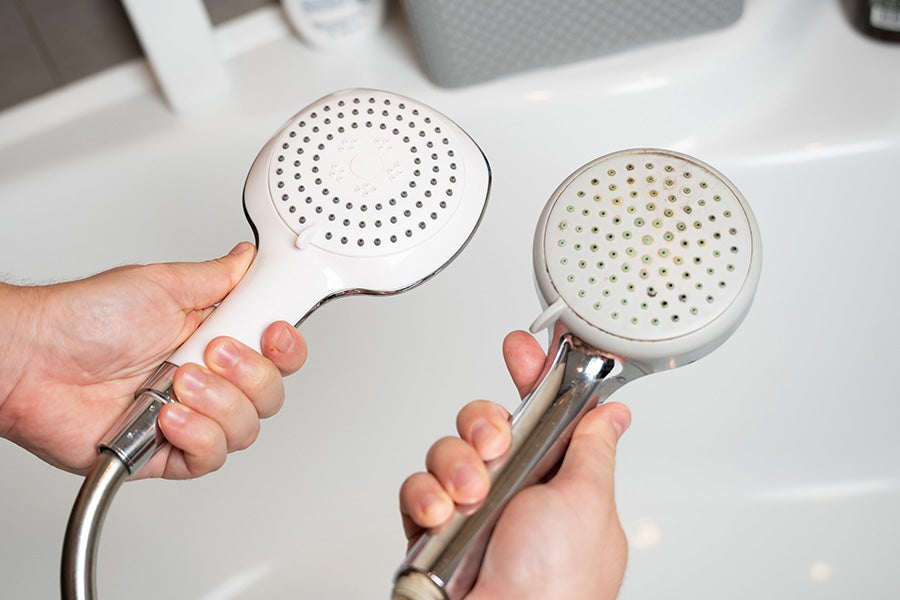
A person changing a shower head and holding the old and new shower heads.

A tired or faulty shower head can turn a relaxing shower into a frustrating experience. Whether you’re dealing with poor water flow, constant dripping, or stubborn limescale build-up, replacing your shower head is often a quick and simple fix.

In this guide, we’ll walk you through the signs that it’s time for a new shower head and show you how to change one safely in five straightforward steps.


Table of contents

  1. Signs you need to change your shower head
  2. How to change a shower head easily in five steps
  3. Common questions about changing a shower head
  4. Plumbing and Drainage cover you can trust

Signs you need to change your shower head

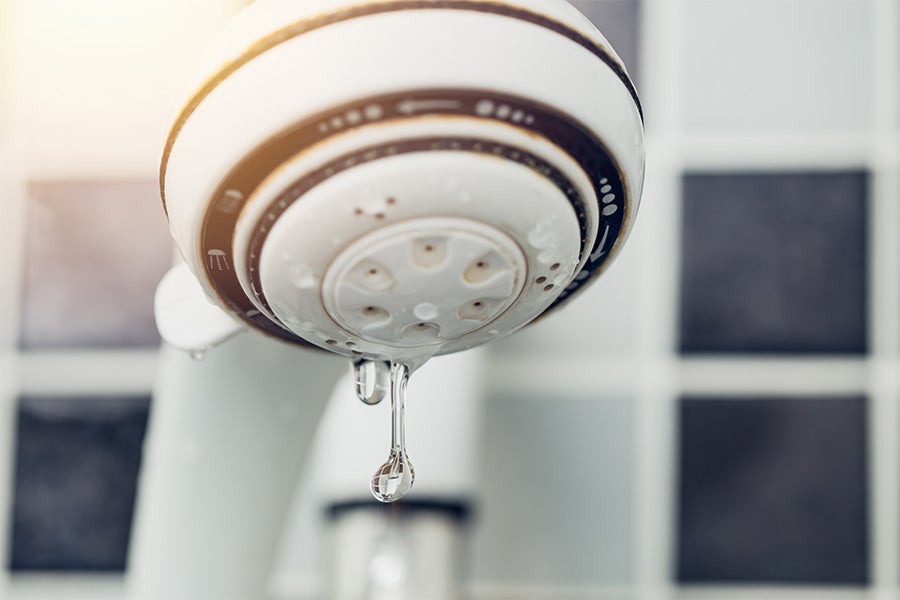
A leaking shower head.

Not sure whether it’s time for a replacement? Let’s look at some common signs that your shower head may need changing:

  • Stubborn mineral build-up that won’t come off, even after cleaning
  • Constant dripping or leaking, even when the shower is turned off
  • Reduced water flow or uneven spray patterns compared to what you used to have
  • Strange noises, such as whistling or rattling
  • A shower head that’s not been changed in a long time

If you’ve noticed one or more of these issues, fitting a new shower head could make a noticeable difference.

How to change a shower head easily in five steps

Replacing a shower head is usually a simple DIY job that most homeowners can complete in under 30 minutes.

Tools needed to change a shower head

Before you begin, gather the following:

  • New shower head
  • Adjustable wrench or slip-joint pliers
  • Teflon tape if necessary (also known as PTFE tape or plumber’s tape)
  • Clean cloth
  • Rubber gloves
  • An old toothbrush (for cleaning threads)
  • A towel to protect fixtures and cover the drain

1. Prepare the area

First, make sure the shower is fully turned off. Then, lay a towel down in the shower and over the drain. This will protect the surface from scratches and stop small parts from falling down the drain while you work.
2. Remove the old shower head

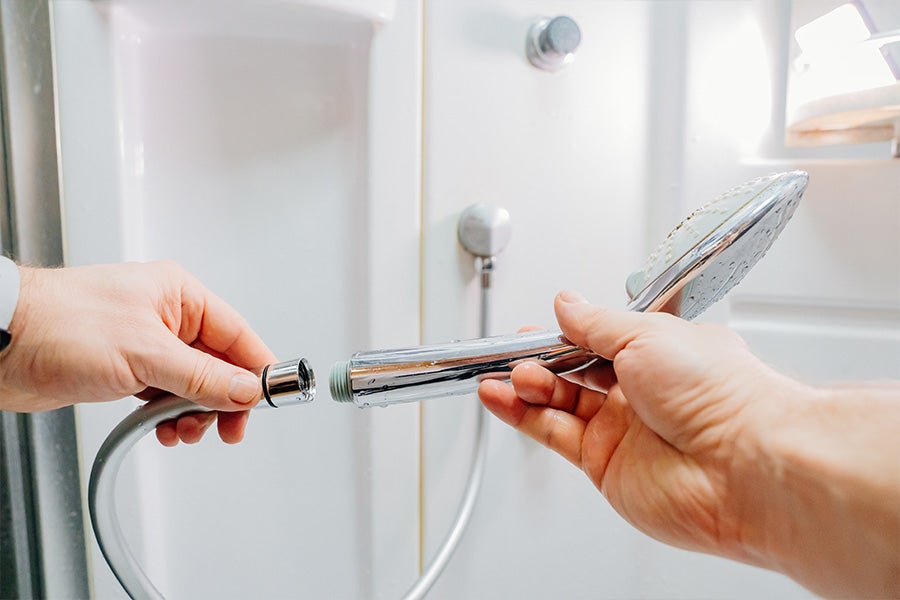
Someone unscrewing the old shower head.

Most shower heads can be unscrewed by hand by turning them anticlockwise. If it’s stuck, wrap the base of the shower head in a cloth to protect it from scratches, then use slip-joint pliers or an adjustable wrench to loosen it gently. Avoid using excessive force, as this could damage the shower arm.

3. Clean the shower arm

Once the old shower head is removed, check the threaded end of the shower arm. Use a clean cloth or an old toothbrush to remove any mineral deposits, old tape, or debris. This step is important as a clean thread ensures the new shower head fits securely and helps prevent leaks and damage.
4. Install the new shower head

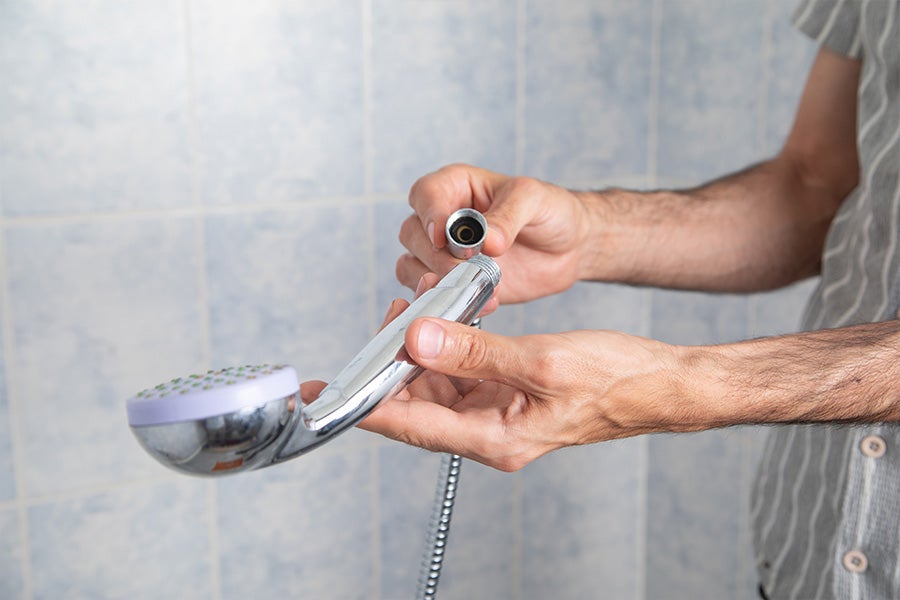
Someone screwing in a new shower head.

Screw the new shower head onto the shower arm by hand until it feels snug. Most new shower heads come with a washer to make sure there’s a tight seal. If there isn’t a washer, you may need to wrap the threads of the shower head in Teflon tape. Check the instructions that came with your shower head for guidance.

5. Test for leaks

Turn the water on and check for any drips around the connection. If you notice leaks, turn the water off, remove the shower head, and check the washer or apply another layer of Teflon tape, and reattach it. Test again to make sure everything is sealed properly.

Common questions about changing a shower head

How often should I change my shower head?

It’s often recommended to replace your shower head every 3–5 years, particularly in areas with hard water. However, with regular cleaning and good maintenance, a quality shower head can last much longer.

It’s better to keep an eye out for signs like leaking, stubborn mineral build-up, or reduced performance, rather than just age, as these are usually better indicators of whether a replacement is needed.

Can changing a shower head increase water pressure?

While a shower head can’t change your home’s overall water pressure, different designs can affect how the water feels when it comes out.

Some shower heads are specifically designed to optimise flow, which can improve the shower experience even if your mains water pressure remains the same.

Plumbing and Drainage cover you can trust

Replacing a shower head is often an easy job for a DIYer, but for more complex plumbing issues there’s always HomeServe.

With our Plumbing and Drainage cover you can be prepared for future plumbing problems. You’ll have access to qualified engineers who can diagnose and repair plumbing problems quickly and professionally. Whether it’s a leaking pipe, low water pressure, or a blocked shower drain, we’re just a call or click away.

Share this post

About the author

Liam has been working for HomeServe for over 18 years, starting as a water supply engineer then obtaining the required qualifications and venturing into Plumbing and Drainage, expanding his knowledge of the sector.

There are not many places left in England where Liam has not completed a job for HomeServe. He’s worked on water from 4” pipes to 15 mm pipes. One of his biggest jobs to date was installing the water supply pipe to one of the training pools for the Olympics in London 2012. Liam is now one of our Service Excellence Coaches, who help support our engineers in the field.

Why HomeServe?

Liam has been with HomeServe for so long because of the commitment they have on being the best, striving to give the customers the best journey. Many businesses do not care about their staff, this is not the case at HomeServe who put it at the heart of what they do.

Years qualified

18 years working in Water Supply, Plumbing and Drainage.

Read more

Share this post

About the author

Liam has been working for HomeServe for over 18 years, starting as a water supply engineer then obtaining the required qualifications and venturing into Plumbing and Drainage, expanding his knowledge of the sector.

There are not many places left in England where Liam has not completed a job for HomeServe. He’s worked on water from 4” pipes to 15 mm pipes. One of his biggest jobs to date was installing the water supply pipe to one of the training pools for the Olympics in London 2012. Liam is now one of our Service Excellence Coaches, who help support our engineers in the field.

Why HomeServe?

Liam has been with HomeServe for so long because of the commitment they have on being the best, striving to give the customers the best journey. Many businesses do not care about their staff, this is not the case at HomeServe who put it at the heart of what they do.

Years qualified

18 years working in Water Supply, Plumbing and Drainage.

Read more

Still looking for more help & advice?

Our help & advice articles cover Plumbing, Home heating, Electrical, Energy-saving and Home maintenance.
View all articles