Home heating advice
Vented vs unvented cylinders: what’s the difference?
13 Apr 2026 • 4 minutes
Home heating advice
13 Apr 2026 • 4 minutes
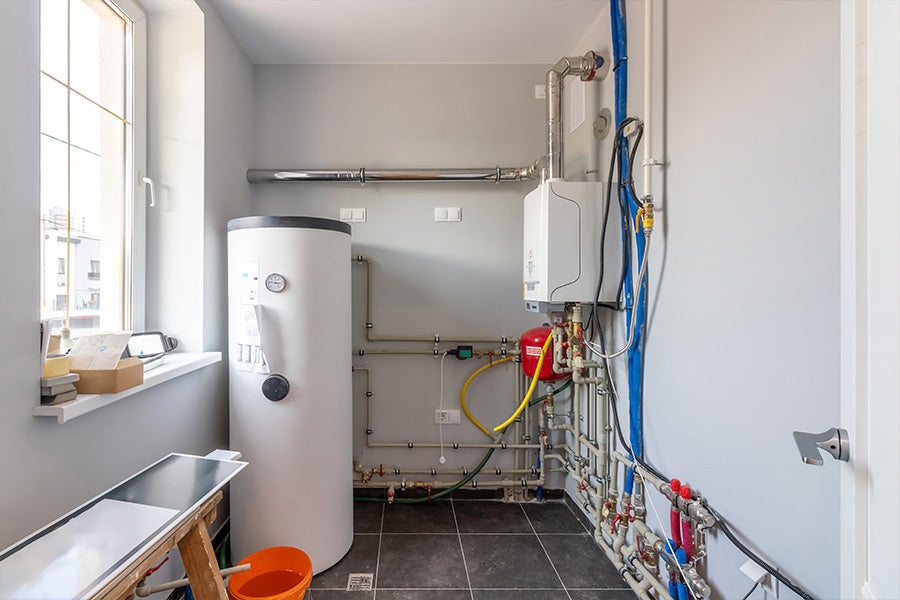
A hot water cylinder stores heated water so it’s ready to use when you turn on a tap, run a bath, or start the shower. It works alongside your heating system (boiler, heat pump or electric) to supply hot water throughout your home.
In homes with a cylinder, the type of system you have (vented or unvented) affects water pressure, space requirements, and installation needs.
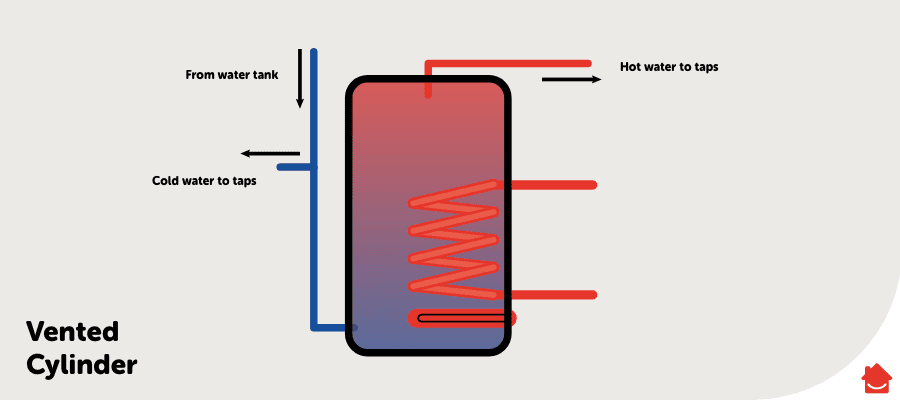
A vented cylinder is a more traditional type of hot water system. It uses a cold water storage cistern, usually located in the loft, which feeds water into the cylinder using gravity.
Because the water supply relies on gravity, the pressure depends on the height of the cistern above the taps. This means pressure is often lower than in unvented systems and may need a pump to improve shower performance.
Vented cylinders are commonly found in older homes and properties with lower mains water pressure.
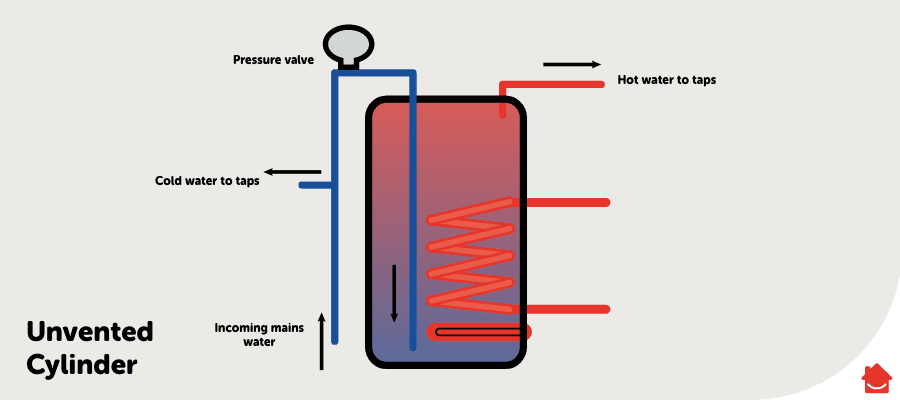
An unvented cylinder connects directly to the mains water supply, creating a sealed system that delivers hot water at mains pressure.
This setup provides stronger, more consistent water pressure, making it a popular choice for modern homes, especially those with multiple bathrooms or power showers. Because there’s no need for a cold water storage cistern, unvented systems can also free up valuable loft space.
Unvented cylinders must be installed and serviced by a competent and qualified engineer due to the higher pressure involved.
The best cylinder for your home depends on a few practical factors. Thinking about the points below can help narrow down your options.
If your home has low mains water pressure, a vented system may be more suitable. If you enjoy powerful showers and have good mains pressure, an unvented cylinder is often the better choice.
Vented systems need loft space for a cold water storage cistern, while unvented cylinders don’t. If space is limited or you’d prefer a cleaner setup, an unvented cylinder may be more practical.
Larger households and homes with multiple bathrooms often benefit from the consistent pressure and capacity of an unvented system.
Vented cylinders are usually cheaper to install, but unvented systems can offer better performance and convenience. It’s worth weighing upfront costs against long-term comfort and maintenance needs.
The right cylinder size depends on how much hot water your household uses. As a general guide, the number of bedrooms and bathrooms in your home can help determine the capacity you need.
A qualified engineer can assess your property and recommend the most suitable size, but typical guidelines include:
Remember, this is only a guide and professional advice will ensure your system meets your household’s needs.
Yes. Unvented cylinders must always be installed and serviced by a competent and qualified engineer. This is essential for safety, compliance, and maintaining any warranties.
Regularly servicing your cylinder helps ensure your system is operating safely and efficiently, ensuring that potential issues can be spotted early.
If you have an unvented cylinder or are thinking about installing one, we can help make sure they’re fit and healthy year after year. Our Unvented Cylinder Service Plan gives you access to expert engineers who know how to keep your system running safely and smoothly.
We also offer tailored options for landlords and homes with heat pumps, so you can choose the cover that suits your setup.
Our help & advice articles cover Plumbing, Home heating, Electrical, Energy-saving and Home maintenance.