Home heating advice
Do I need a carbon monoxide alarm in my home?
09 Nov 2026 • 4 minutes
Home heating advice
09 Nov 2026 • 4 minutes
Carbon monoxide (CO) is a poisonous gas produced when fuels such as gas, wood, coal, or oil don't burn properly. Breathing carbon monoxide can quickly make you unwell and, in severe cases, it can be fatal.
The risk is higher when appliances aren't properly maintained, or ventilation is poor. That's why it’s important to install carbon monoxide alarms near appliances like gas hobs and fireplaces, in line with the manufacturer's instructions.
Carbon monoxide is usually caused by faulty, damaged or poorly maintained fuel-burning appliances. Common sources include:
Carbon monoxide can also build up if ventilation is restricted. This may happen when:
A carbon monoxide alarm continuously monitors the air in your home for dangerous levels of carbon monoxide.
If it detects the gas, it sounds a loud alarm to warn you before carbon monoxide reaches levels that could seriously affect your health.
It's important to remember that a carbon monoxide alarm doesn't prevent leaks from happening. Instead, it alerts you so you can act quickly to protect yourself and your household.
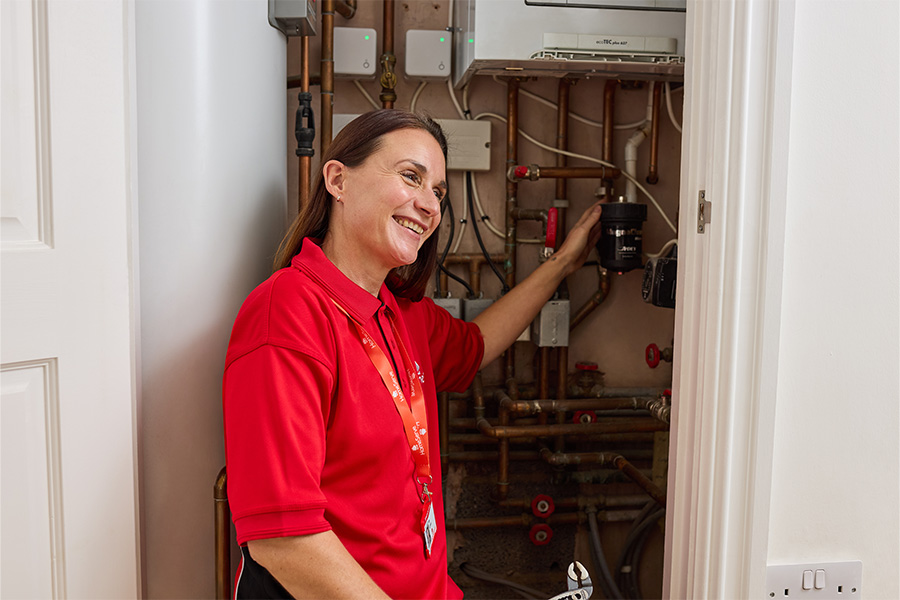
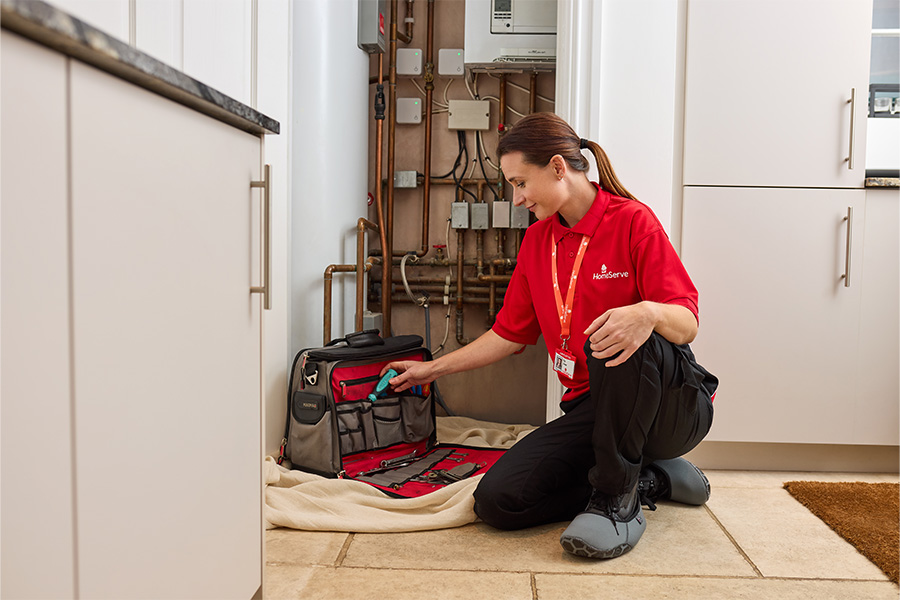
While carbon monoxide alarms are essential for safety, the best defence is prevention. Keeping your appliances well maintained by annually servicing your boiler and other fuel-burning appliances can significantly reduce the likelihood of faults developing that could lead to carbon monoxide being produced.
A carbon monoxide alarm is one of the simplest, most effective ways to protect your household from carbon monoxide poisoning.
Unlike smoke, carbon monoxide gives no warning signs. Without an alarm, you may not realise there's a problem until symptoms begin to develop.
An alarm provides an early warning, giving everyone in the property time to leave safely and seek help before carbon monoxide levels become dangerous.
Although gas boilers are one of the most common sources of carbon monoxide, they're not the only ones. Gas fires, wood-burning stoves, open fires, gas cookers and portable heaters can also produce carbon monoxide if they develop a fault or aren't properly ventilated.
Knowing your home is protected by a working carbon monoxide alarm can provide reassurance, particularly during the colder months when heating systems are used more frequently.
You should install a carbon monoxide alarm in every room containing a fuel-burning appliance, including:
Carbon monoxide alarms are an important safety measure, and in some situations, they're also a legal requirement.
Landlords in England are legally required to install working carbon monoxide alarms in rooms containing fixed combustion appliances (excluding gas cookers). They should also ensure alarms are repaired or replaced if tenants report a fault. If you're a landlord, you should also make sure your gas appliances are inspected annually as part of your legal responsibilities.
While there isn't a legal requirement to install carbon monoxide alarms in every home, they are required when certain new combustion appliances are installed (excluding gas cookers). Regardless of the legal requirements, installing alarms wherever you have a fuel-burning appliance is strongly recommended.
Installing your carbon monoxide alarm in the right place is just as important as having one in the first place.
As a general rule, you should install a carbon monoxide alarm:
Always follow the manufacturer's installation instructions, as the recommended height and position can vary depending on the type of alarm and where it's being installed.
Want professional carbon monoxide alarm installation? With Ding, our home repairs membership, you can book a heating expert to install a carbon monoxide alarm.
You should always avoid placing carbon monoxide alarms:
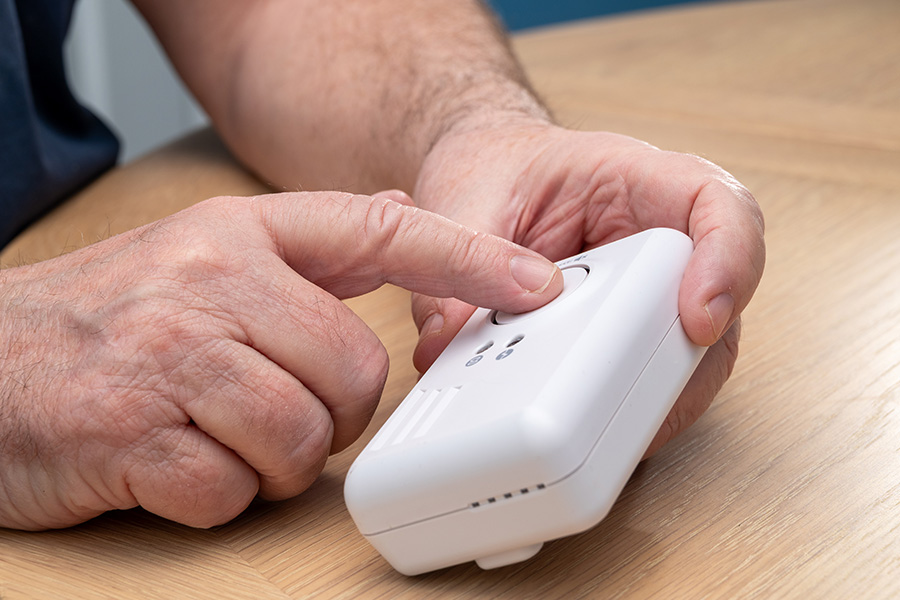
Most carbon monoxide alarms should be replaced around every five years, depending on the manufacturer's guidance. Many alarms have an expiry date printed on the back or inside the unit.
As well as replacing the alarm when recommended, you should:
Regular testing helps ensure your alarm is ready to protect your household if carbon monoxide is detected.
If your carbon monoxide alarm sounds, you should always take it seriously.
Don't re-enter your home until you've been told it's safe to do so by the relevant authority or a qualified engineer.
Even if the alarm stops sounding, the appliance responsible should be inspected before it's used again.
Installing a carbon monoxide alarm is an important first step, but regular boiler servicing can help reduce the risk of carbon monoxide. By identifying potential issues early, you can help keep your boiler running safely and avoid unexpected problems down the line.
Whether you need a boiler service, Boiler Cover, or a Landlord Gas Safety Certificate, HomeServe can help you stay one step ahead of unexpected boiler problems. With expert support whenever you need it, so you can have peace of mind that your heating system is safe and reliable.
Our help & advice articles cover Plumbing, Home heating, Electrical, Energy-saving and Home maintenance.