How much should you save for home repairs?

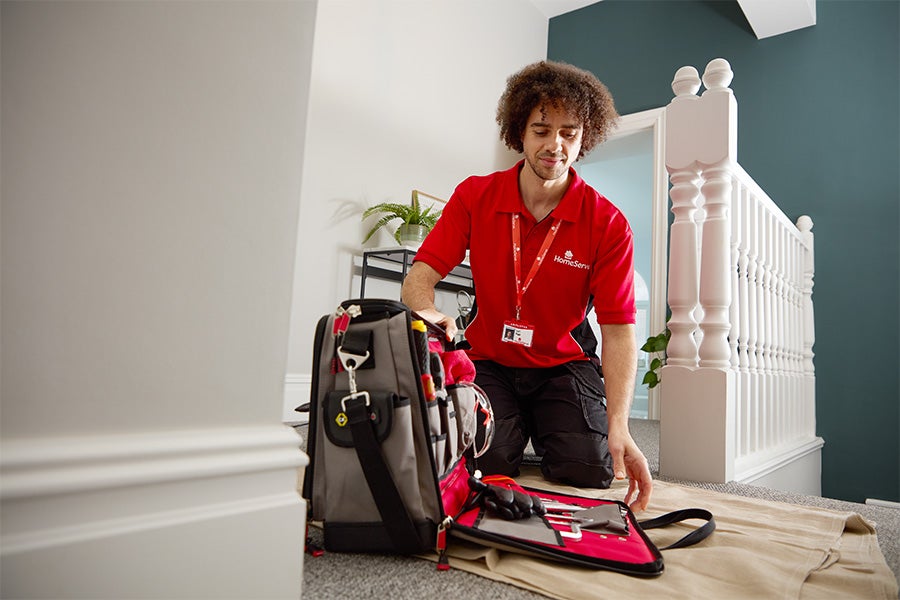
A HomeServe engineer removing tools from a tool bag to start working on a home repair.

Unexpected home repairs can be stressful, especially when they come with a hefty price tag. From a broken boiler in winter to a sudden plumbing leak, repair costs can quickly eat into your savings if you're not prepared. Knowing how much to save for home repairs can help you protect both your home and your finances.

In this guide, we'll explain why it's important to set money aside for home repairs, what affects repair costs, and where home cover can help when unexpected emergencies put pressure on your savings. All helping you to plan with confidence and avoid unwelcome surprises.


Table of contents

  1. Why saving for home repairs is important
  2. Factors affecting maintenance and repair costs in the UK
  3. How much should you save for home repairs?
  4. Average home maintenance and repair costs
  5. Take the stress out of unexpected repairs with HomeServe

Why saving for home repairs is important

No home is immune to wear and tear. Even the best-maintained properties can develop problems over time, and repairs often crop up when you least expect them. Without a financial buffer in place, you may be forced to dip into emergency savings, rely on credit, or delay essential repairs (which will often make problems worse and more expensive in the long run).

Setting money aside for home repairs helps you cover unexpected costs without financial strain, deal with problems quickly before they escalate, and maintain your home’s safety, comfort, and value.

Regular maintenance can also help prevent larger issues. Simple tasks like servicing your boiler, checking for leaks, cleaning gutters, monitoring boiler pressure, and looking out for signs of damp can all reduce the likelihood of costly breakdowns. Having savings or home cover in place offers reassurance that you’re prepared if something does go wrong.
Factors affecting maintenance and repair costs in the UK

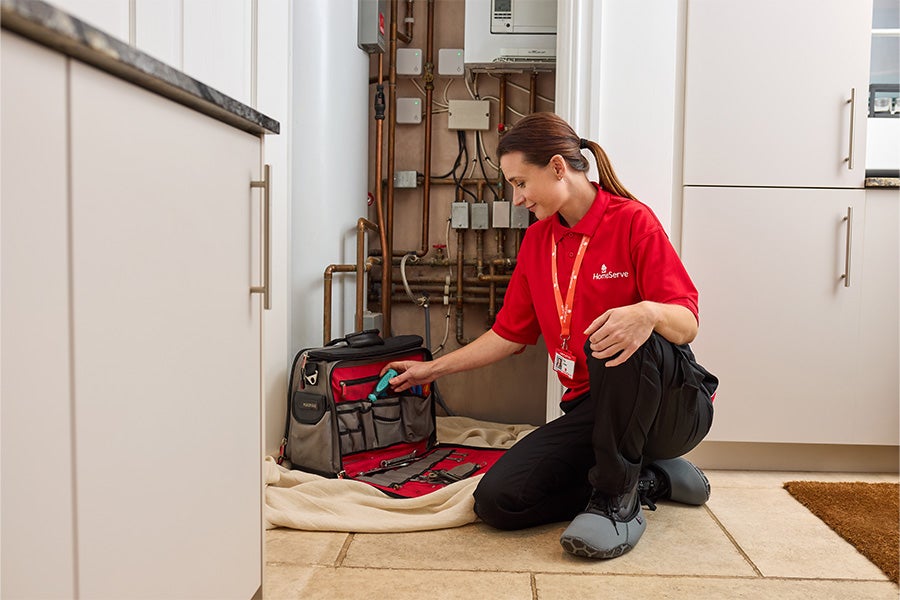
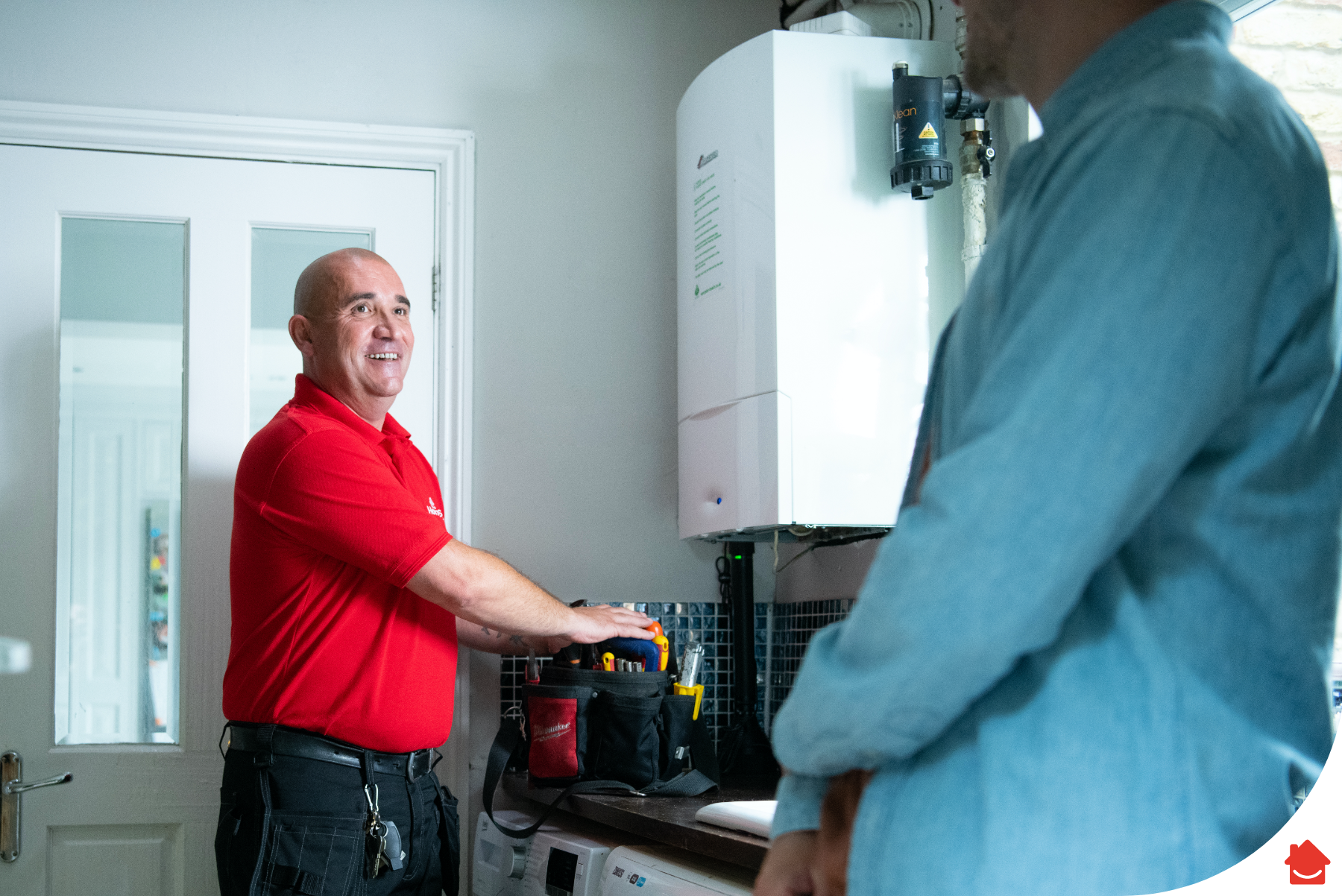
A HomeServe engineer getting ready to repair a boiler.

There’s no one-size-fits-all figure when it comes to home repair costs. How much you may need to spend can depend on several key factors, including:

  • Age and condition of your home: Older properties often require more frequent and costly repairs, especially if plumbing, electrics, or heating systems haven’t been upgraded.
  • Location: Labour costs are typically higher in cities and the South East, which can make repairs more expensive than in other parts of the UK.
  • Climate and environment: Homes exposed to harsh weather, flooding, or damp conditions may experience faster wear and tear, leading to more frequent repairs.
  • Type and size of property: Detached homes, larger properties, and buildings with complex layouts usually cost more to maintain than smaller homes.
  • Occupancy and usage: Homes with larger families or heavier daily usage often place more strain on plumbing, heating, and electrical systems.

Understanding these factors can help you set a more realistic savings target and plan more effectively for future home repairs.

How much should you save for home repairs?

Many experts recommend using simple budgeting rules to estimate how much to save for home repairs.

One common guideline is the 1% rule, which suggests saving around 1% of your home’s value each year for repairs and maintenance. For example, if your home is worth £250,000, you may want to set aside around £2,500 per year.

Another approach is the square foot rule, which recommends saving around £1 per square foot of your home each year. A 900 square foot property would therefore require roughly £900 annually.

However, it’s important to keep in mind that these figures are only guides. Older homes, larger properties, or homes in high-cost areas may require a higher buffer, while newer homes may need less initially. Reviewing your savings regularly and adjusting as your home ages can help keep you prepared.
Average home maintenance and repair costs

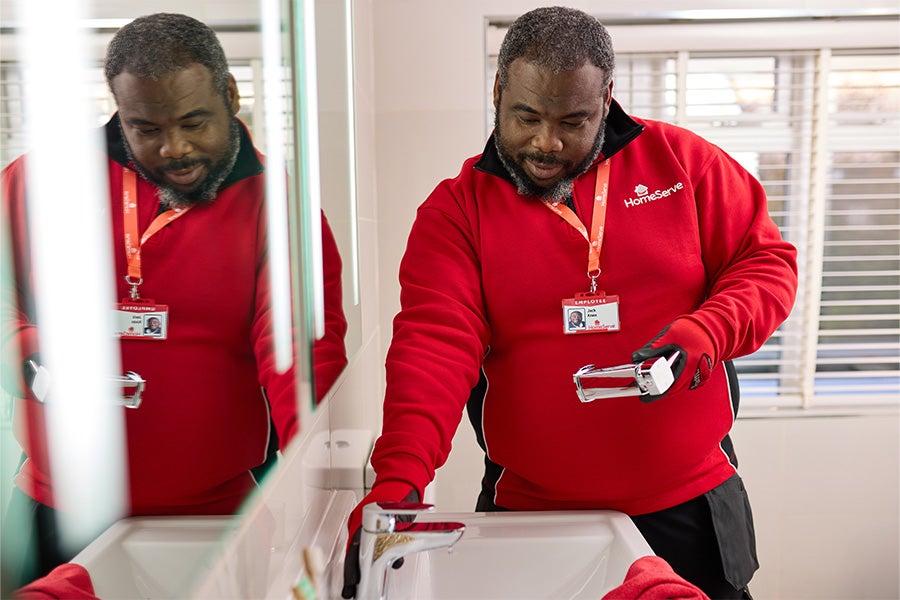
A HomeServe engineer replacing a tap.

Home repair costs can vary widely depending on the issue, urgency, and specialist skills required. Some repairs are more expensive due to labour costs, emergency call-outs, or specialist parts. Emergency repairs, in particular, can be significantly more costly than planned maintenance.

To help you understand what these costs might look like in practice, we’ve created a table below that outlines typical one-off repair prices for common home maintenance issues according to data from the Building Cost Information Service (BCIS)*.

Job type Job name Typical cost
Plumbing Unblock a sink £116
Plumbing Unblock a toilet £146
Plumbing Replace a tap £246
Drainage Water jetting of external drains £259
Drainage Fix collapsed drains (up to 2 m) £673
Electrical Repair a light fitting £132
Electrical Replace a dimmer switch £188
Electrical Replace a damaged RCD socket £200
Heating/Boiler Boiler service £182
Heating/Boiler Replace a seized boiler pump £471
Heating/Boiler Replace a PCB (Printed Circuit Board) £442
Heating/Boiler Boiler replacement (supply and install) £3,847

For homeowners who want more predictability, our home cover can offer peace of mind by reducing the need to find a large lump sum at short notice.

Cover can also be flexible. For example, if you’re happy with arranging boiler repairs yourself but worry about plumbing and electrical emergencies, you can still get cover for Plumbing and Electrics to help protect your budget.

Take the stress out of unexpected repairs with HomeServe

Saving for home repairs is a smart way to protect your finances, but even the best planning can be tested by sudden breakdowns or emergencies. Costs can quickly add up, especially when multiple issues occur close together.

For extra peace of mind, our range of home cover options can help protect you from the financial shock of sudden repairs. With HomeServe, unexpected repairs are handled by qualified engineers at the cost of your agreed excess, helping you avoid the stress and expense of sudden repair costs. From plumbing and drainage cover to boiler and central heating cover, we offer a range of options to suit every home.

*BCIS© Research, September 2025 (prices include labour, parts, call-out charges and VAT)

Share this post

About the author


Martin has more than 30 years experience within the gas industry and has worked for the regulator, CORGI, before moving into the private sector in 2009 to oversee gas compliance matters on the Government’s flagship energy scheme, Warm Front.

Martin is recognised in the gas industry with an Incorporated Engineer status (IEng); Martin is currently a member of the Gas Utilisation Committee with the Institutions of Gas Engineers and Managers (IGEM) and assist the gas industry by sitting on a number of committees which develop safety standards and guidance.

Martin is a fully qualified gas incident investigator and has a proven track record of competence through the national Accredited Certification Scheme (ACS) in domestic, non-domestic and Liquefied Petroleum Gas (LPG) gas installations.

Martin has been employed by HomeServe Membership Ltd since 2014 and currently holds the position of Head of Technical Governance.

  • Gas qualified in Domestic, Non-Domestic and LPG installations
  • Qualified Gas Incident Investigator – IGEM/G/L/8
  • BTEC Higher National Certificate Building/Construction Studies
  • LCL Level 3 Award in Initial Verification, Periodic Inspection, Testing Condition Reporting and Certification of Electrical Installations
  • City & Guild 6032 Advanced Craft Certificate Plumbing
  • Water Regulations

Years qualified

30+
Read more

Share this post

About the author


Martin has more than 30 years experience within the gas industry and has worked for the regulator, CORGI, before moving into the private sector in 2009 to oversee gas compliance matters on the Government’s flagship energy scheme, Warm Front.

Martin is recognised in the gas industry with an Incorporated Engineer status (IEng); Martin is currently a member of the Gas Utilisation Committee with the Institutions of Gas Engineers and Managers (IGEM) and assist the gas industry by sitting on a number of committees which develop safety standards and guidance.

Martin is a fully qualified gas incident investigator and has a proven track record of competence through the national Accredited Certification Scheme (ACS) in domestic, non-domestic and Liquefied Petroleum Gas (LPG) gas installations.

Martin has been employed by HomeServe Membership Ltd since 2014 and currently holds the position of Head of Technical Governance.

  • Gas qualified in Domestic, Non-Domestic and LPG installations
  • Qualified Gas Incident Investigator – IGEM/G/L/8
  • BTEC Higher National Certificate Building/Construction Studies
  • LCL Level 3 Award in Initial Verification, Periodic Inspection, Testing Condition Reporting and Certification of Electrical Installations
  • City & Guild 6032 Advanced Craft Certificate Plumbing
  • Water Regulations

Years qualified

30+
Read more

Still looking for more help & advice?

Our help & advice articles cover Plumbing, Home heating, Electrical, Energy-saving and Home maintenance.

View all articles