Plumbing advice
What to do when no water is coming out of your taps
15 Jan 2026 • 8 minutes
Plumbing advice
15 Jan 2026 • 8 minutes
Start by testing a few other taps around your home, both hot and cold, and on different floors if you can. Sometimes you might find you still have cold water but no hot water coming out of your taps, which could point to an issue with your boiler or hot water cylinder rather than your main supply.
If the problem only affects one tap or room, the issue is likely with your internal plumbing, such as a faulty tap, a blockage, or an airlock. If no water is coming out anywhere, the problem may lie with your main supply instead.
If you discover a fault in a single room or appliance, you may need a plumber to take a closer look.
A quick chat with your neighbours can tell you a lot. Pop next door or send a quick message to see if they’re having the same problem with their taps. If they are, then it’s a strong sign that there’s an issue with the local water supply, such as a burst water main, maintenance work, or a temporary shut-off in your area.
On the other hand, if your neighbours’ water is running from their taps without a hitch, the problem is more likely in your own plumbing system. This means it’s something you or a professional plumber can usually sort out quickly.
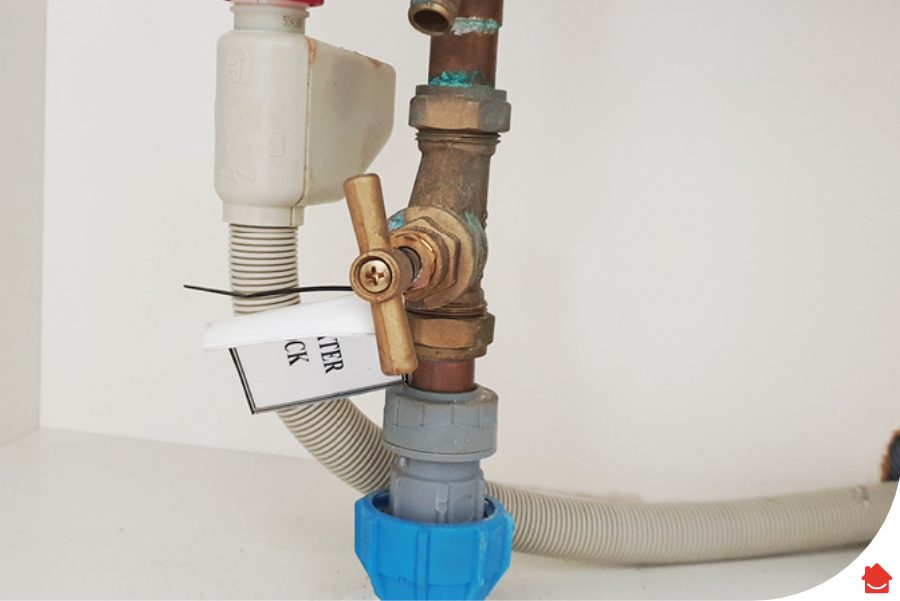
Your stopcock (or stop tap) controls the main water supply to your home. You’ll usually find your stopcock under the kitchen sink, in a utility room, or under the stairs.
If it’s been knocked accidentally or turned off for whatever reason, your water flow will stop completely. Turn the handle anti-clockwise to open it. You should feel some resistance, but it shouldn’t be too stiff. Once it’s open, try turning your taps on again to see if the water returns.
If the stopcock feels jammed or leaks when turned, it’s best to call a plumber for assistance.
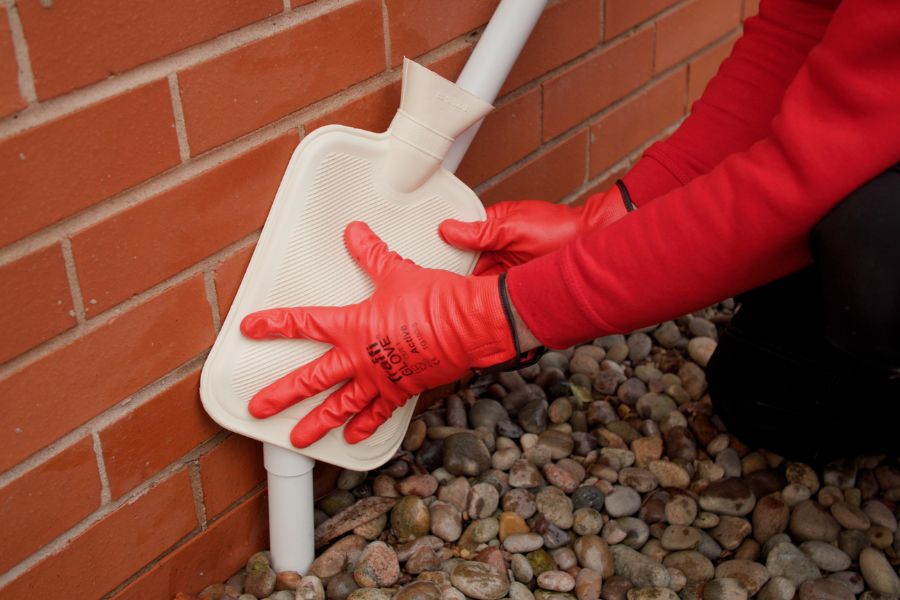
In cold weather, outdoor pipes can freeze, especially if they’re not insulated. This is because when water inside a pipe freezes, it expands, which can block the flow or even cause the pipe to burst.
Check any exposed pipes outside, in garages, or in lofts for signs of frost, bulging, or small splits. If you think a pipe has frozen, you’ll need to thaw the pipe carefully to avoid causing any damage. Start by turning off your stopcock, then gently warm the pipe using warm (not boiling) water or a hot water bottle.
If you think the issue isn’t inside your home, your water supplier is the next port of call. They can tell you if there’s been a burst water main, planned maintenance, or emergency works in your area.
Most water companies have live maps or alerts on their websites where you can check for local outages. If there’s work happening nearby, they’ll also be able to tell you when your supply should be restored.
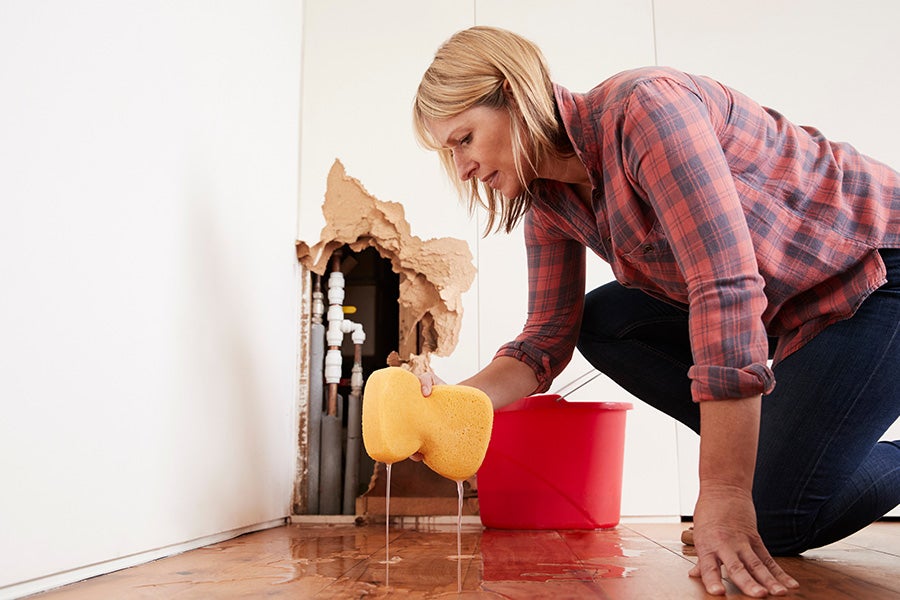
A leak or break in your plumbing system can prevent water from reaching your taps altogether.
Take a careful look around your home under sinks, behind toilets, around appliances like washing machines, and in loft spaces or cupboards. If you notice any puddles, drips, or damp patches, it could mean there’s damage to a pipe.
If you spot a leak, turn off your stopcock immediately and call a professional plumber to repair it safely.
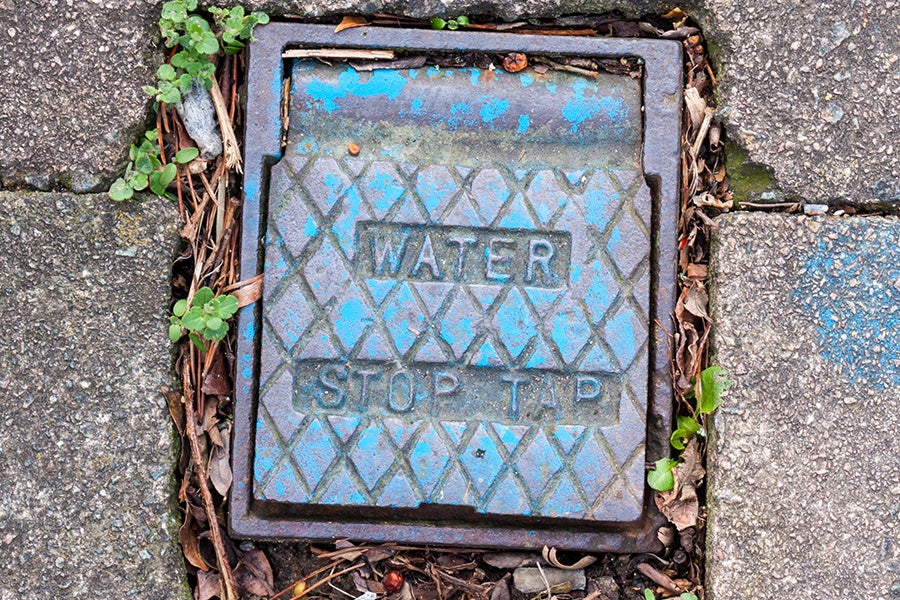
Many homes also have an outside stop valve, usually found under a small cover near your driveway, garden boundary, or on the pavement outside.
Lift the cover carefully (you might need a screwdriver) and check that the valve is open (on). If it’s been turned off, gently twist it anti-clockwise to restore your water flow. If you’re not sure which valve is yours, your water supplier can help you locate it.
If you live in an older home with a cold water cistern (often in the loft), this could be where the problem lies. Inside the cistern, a ball valve controls the water flow, and if it becomes stuck, it can stop the cistern from refilling.
You can try freeing the float arm gently to see if that helps, but don’t force it. If it’s seized or damaged, a plumber will be able to replace it safely.
If you’ve worked through all these checks and still don’t have any water coming from your taps, it’s time to hand things over to an expert. A qualified plumber can quickly find the cause—whether it’s a hidden leak, an airlock, or a problem with your internal plumbing—and get your taps working again in no time.
There’s no need to struggle or guess what’s wrong because one of our friendly, professional plumbers can be with you fast to put things right.
Plumbing problems have a habit of appearing when you least expect them, but with our Plumbing and Drainage cover, you don’t have to face them alone.
From dripping taps and burst pipes to blocked drains and leaks, our trusted engineers are just a call or click away and ready to help. We’ll get things sorted quickly, safely, and with as little disruption as possible, so you can get back to what matters most.
Our help & advice articles cover Plumbing, Home heating, Electrical, Energy-saving and Home maintenance.