
30 Jul 2026
HomeServe recruits its first ever 'Personal Drainer'
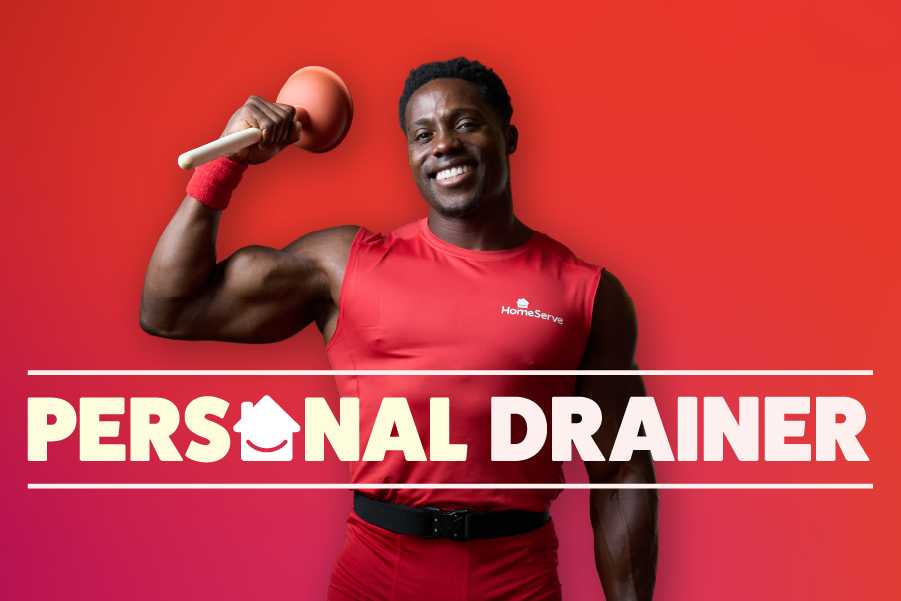
Olympian and TV Star, Harry Aikines-Aryeetey becomes HomeServe’s first ‘Personal Drainer’ teaching the UK how to keep its pipes healthy.
From drains that smell to blocked drains, Brits up and down the country are knowingly harming their pipes, as our research finds 76% of people put problematic items down their drains!
Unhealthy drains don't happen overnight; they're often the result of everyday habits. Changing those habits is no different from improving your diet or fitness. If you'd hire a personal trainer to stay healthy, why not a Personal Drainer to keep your drains healthy too?
Introducing HomeServe’s first ever ‘Personal Drainer’
Our Personal Drainer has your back and he's here to teach Brits better ways of looking after their drains, with key learnings taken from HomeServe’s network of trained engineers.

And there’s no time like the present...
A fifth (19%) of people report experiencing unpleasant drain odours and almost half of people (47%) report experiencing at least one drain or sewage-system issue at home. The most common issue experienced is a blocked or slow-draining sink, toilet or pipe (26%).
More than three quarters of people admit to knowingly putting problematic things down the sink. Almost a third (32%) said they opt to pour things down the sink even though they shouldn’t, because it’s quicker and easier than disposing in the correct way. 20% say they are completely aware that they could cause a blockage.

Fat, oils and grease (FOG) are one of the key causes of blocked drains, leading to major build up in sewers and notable fatbergs. Despite this though, 26% don’t believe a small amount of grease or food down the sinks causes serious harm.
This is reflected in 25% who have admitted to pouring cooking fat, oil or grease down a sink or toilet - among younger adults (18–34), this rises to 31%.
What’s going down your sinks?
Our research found the biggest drain blocking culprits going down the UK’s sinks. Dairy products lead the list of offenders, with 57% having admitted to disposing of dairy down the sink:
- Milk or Dairy – 57%
- Cooking fat, oil or grease – 25%
- Hair – 19%
- Coffee grounds – 18%
- Wet wipes (incl. 'flushable' wipes) – 15%
- Paint, cleaning chemicals or DIY liquids – 11%
- Rice, pasta or other starchy foods – 11%
- Food scraps or peelings – 11%
- Flour or batter – 10%
- Cotton wool, cotton buds, makeup wipes or sanitary products – 6%
- Dental floss – 5%
- Eggshells – 5%
- Chewing gum – 4%
What does the Personal Drainer think?
Harry Aikines-Aryeety, HomeServe’s Personal Drainer, said: “I’ve spent my whole life keeping my body in peak condition – turns out your pipes need the same discipline. Nobody wants the personal drainer barking at their drains, but trust me, a few small habits make all the difference.
“My advice? Never pour things like coffee grounds, fat or oil down the sink – let it cool, scrape it into the bin and your pipes will thank you. People are brilliant at looking after themselves but barely give their drains a second thought until something goes wrong.
“Treat them like a training plan: small habits, done consistently, and you’ll save yourself a world of stress, mess and money down the line.”
With that in mind, Harry shares five top tips on how to keep your drains in shape:
Personal Drainer's top moves
The grease lift: Fat, oil and grease look harmless enough when they're hot, but trust me, the moment they cool they set hard and cling to your pipes for the long haul. Let it cool in the pan, scrape the lot into the bin – it has no business going anywhere near your drains.

The coffee curl: Those coffee grounds you're about to rinse down the sink are a classic mistake. Rather than washing through, they clump together and settle in your pipes, quietly building up until things grind to a halt. Bin them or pop them on the compost instead, and you'll save yourself a real headache further down the line.
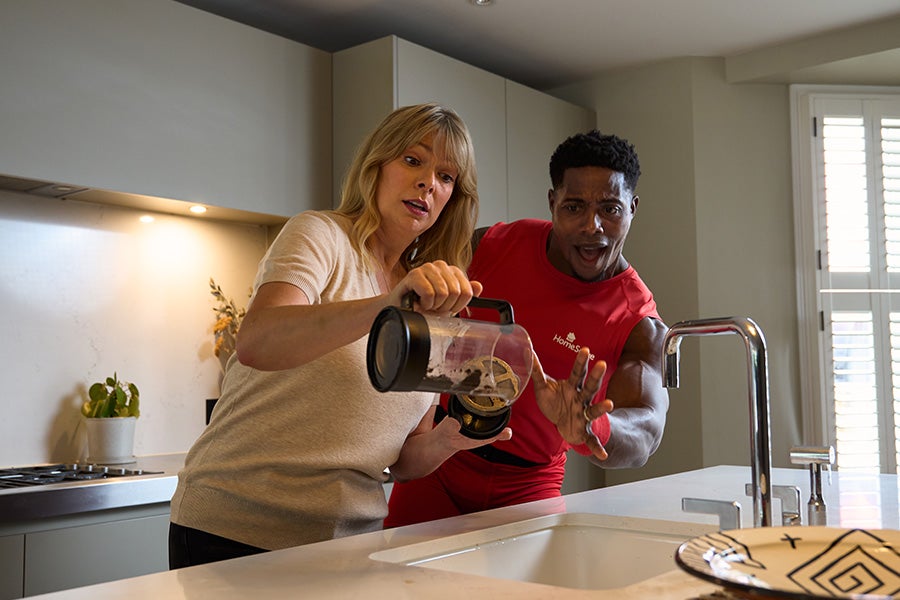
The strainer plank: A sink strainer costs next to nothing, but it's the unsung hero of drain fitness, holding the line and catching food scraps, hair and all the little bits that would otherwise cause chaos out of sight.
The flushable myth-buster: This is the myth that catches almost everyone out, because half of Brits reckon 'flushable' wipes are safe to send down the loo. They're not, they simply don't break down the way loo roll does. Wipes, cotton wool and sanitary products all belong in the bin, not the toilet!
The early warning sprint: When the pipes start gurgling, you catch a whiff of something off, or the water draining in slow motion - that's your sink telling you something's up. Don't just hope it sorts itself out. Act early, deal with the small stuff now, and you'll avoid the kind of full-blown blockage that means real stress, mess and money down the line.
Better habits and education are needed
Our research found two thirds of people (66%) want more public information about how to avoid blocking drains and what can and can’t go down our pipes, with 20% saying they wouldn’t know who to contact for serious issues. Contrary to expert advice on avoiding blockages, 51% of people agree they assume products labelled ‘flushable’ are safe to flush despite these being a major contributor to toilet blockages.
While others (30%) say if they’re experiencing a small drain issue and isn’t bothering then, they’d ignore it, but these things rarely fix themselves and only get worse.
If your drains fall out of healthy habits in the future, HomeServe's Plumbing and Drainage cover is here to whip them back into shape. A nationwide network of plumbers and drainage engineers ready to get your drains back on track when they're blocked, broken or leaking.
Methodology
Unless otherwise stated, data is based on Opinium commissioned research among 2,000 UK adults (18+), with fieldwork conducted between 2nd and 5th June 2026.