
18 Aug 2026
The boiler blind spot impacting would-be homeowners
According to the Home Owners Alliance, August has been the busiest month for home moving for the last 13 years, with a quarter of all moves taking place on a Friday.
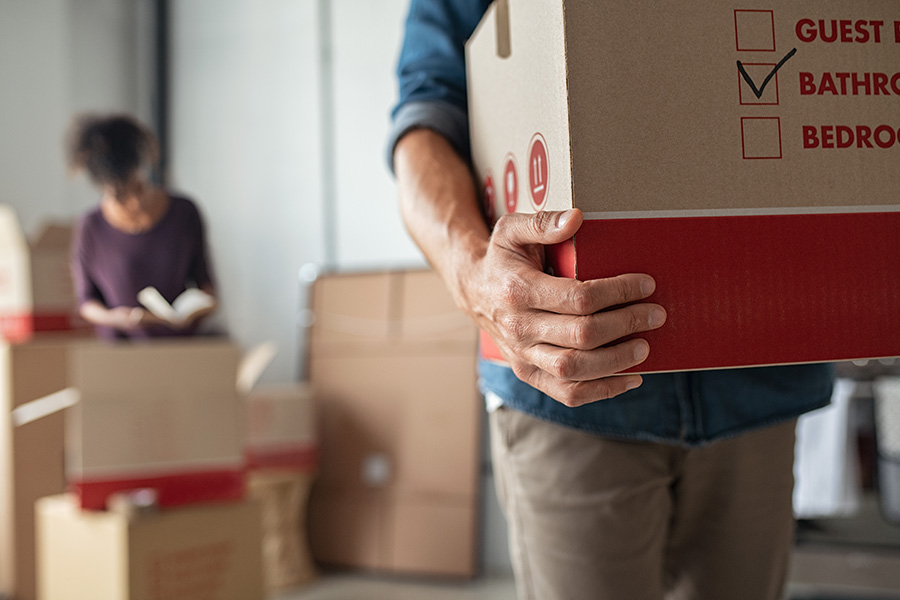
We’ve dubbed the moving period ‘Pack Friday’ and we’re urging all new prospective homeowners to do one thing – get to know the boiler!
Thankfully, we’ve pulled together a handy checklist that you can save and use next time you’re buying and moving into a new home.
Some are worried but doing nothing about it
1 in 5 homeowners worry about the health or condition of their boiler before moving into a new home, despite 58% not finding out when it was last serviced.
In fact, a lot of home movers know a worryingly little amount about the one of the home’s most important appliances:
- 58% didn’t know when it was last serviced
- 65% didn’t know its age
- 67% didn’t know its make or model
- 70% didn’t know how to use or adjust it
- 75% didn’t know whether it’s covered by a warranty or service plan
- 16% didn’t know anything at all about the boiler
It’s not surprising then that there’s such a knowledge gap on new boilers, as our research found that 35% of people didn’t ask any questions about the boiler in their new home.
Only 22% asked several questions about the boiler before moving in, and almost 1 in 10 (9%) asked none, and now wish they had.
Despite not asking any questions about the boiler, more than a quarter (26%) say they’re not fully confident in their boiler going into the winter.
Sorting out the boiler is a low priority for home movers
In the first month after moving, sorting the internet out, getting the right furniture and getting the colour schemes right, all rank as bigger priorities for new homeowners. Checking in on the boiler, meanwhile, featured at number 10 on the list of priorities in our survey.
Setting up the Wi-Fi is considered almost three times more important to sort within the first month of moving than a boiler service or heating system check.
- Setting up broadband and Wi-Fi - 66%
- Updating your address with your bank and other important organisations - 61%
- Setting up gas, electricity or water accounts - 61%
- Updating the address on your driving licence or vehicle registration - 46%
- Buying new furniture (e.g. bed, sofa etc.) - 44%
- Arranging home or contents insurance - 42%
- Registering with local healthcare services (e.g. GP or dentist) - 40%
- Decorating or painting - 37%
- Buying new appliances (e.g. washing machine, fridge or cooker) - 35%
- Arranging a boiler service or heating system check - 21%
- Making security improvements (e.g. alarm, cameras or smart doorbell) - 18%
- Changing the locks - 18%
Unexpected issues and costs can spiral for new homeowners
Almost half of people surveyed (40%) had a boiler or heating problem in the first winter in their new home.
The most common issues included radiators not working properly, low boiler pressure and no hot water, each reported by 11% of new homeowners.
While 9% had no heating at all, 8% had a breakdown or found a leak. 7% of respondents encountered the boiler making strange noises and 5% reported a frozen condensate pipe.
10% of homeowners reported needing a boiler repair in their first year of owning a new home, leading to an average bill of £2,227.10.
Problems in that first year also went beyond the boiler, ranging from repairing and replacing windows or doors, to plumbing and roof repairs.
| Repair Type | % of homeowners reporting an issue in the first winter | Average Cost (£) |
|---|---|---|
| Repairing or replacing windows or doors | 10% | £5,595.30 |
| Repairing or replacing household appliances (e.g., washing machine, fridge or oven) | 10% | £1,891.40 |
| Boiler repairs | 10% | £2,227.10 |
| Roof repairs | 9% | £5,585.90 |
| Plumbing repairs | 6% | £1,897.60 |
| Electrical work | 5% | £2,986.60 |
| Damp treatment | 4% | £2,567.80 |
Interrogate your boiler and get to know it
Here are some simple steps you can follow to get to know your boiler which may help to avoid potential issues later down the line:
- Book a boiler service: Find out when the boiler was last serviced, and get one booked in if it’s been over 12 months. Where possible ensure there is a safety certificate demonstrating the checks and tests that were completed.
- Know the model: Find the make, model and manual. Learn how the boiler works and register any warranty in your name.
- Test it early: Run the heating and hot water in the weeks before winter (before September is a good rule of thumb), so problems show up while there’s still time to act.
- Find the filling loop: Know where the filling loop and pressure gauge are, and what normal pressure looks like.
- Ensure you receive the certificate of notification to demonstrate that the boiler was installed in accordance with Building Regulations.