Home heating advice
Why do I have no heating or hot water?
27 Nov 2025 • 6 minutes

Home heating advice
27 Nov 2025 • 6 minutes
Your boiler needs a constant supply of power to heat up your water for your taps and central heating. If your boiler’s display has gone dark and it’s completely unresponsive, it’s likely a power issue. Here are a few things you can check:
If it happens during the day, a power cut can be hard to notice. If you suspect a power cut is the problem, you can confirm it by:
If it is a power cut then you can report it to the National Grid, if it’s not already highlighted on their coverage tracker.
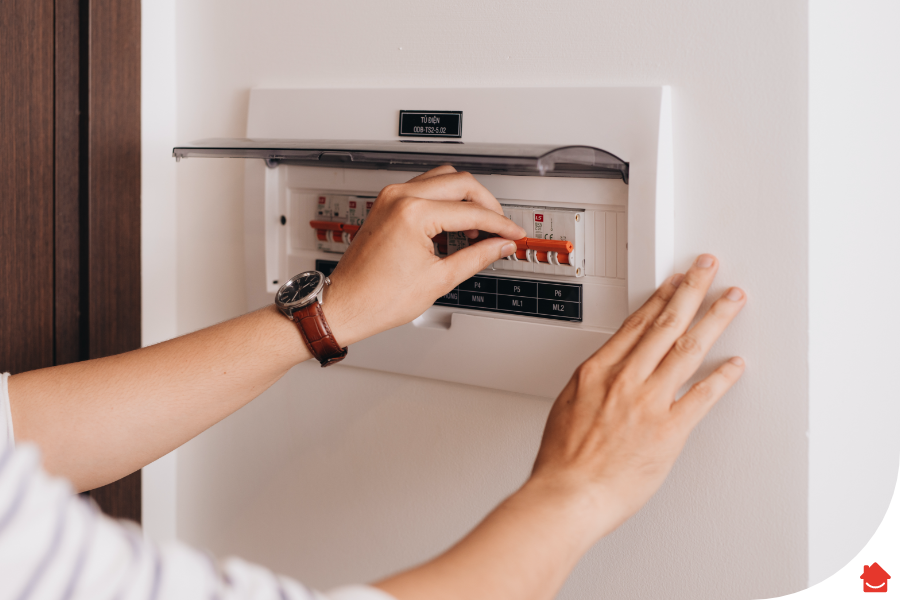
If it’s not a power cut, the next step is to check your fuse box (consumer unit). One of the switches on your fuse box should be labelled ‘boiler’. If this has tripped, then that’s why you have no heating or hot water.
Try flipping it back up to the ‘on’ position to get your boiler going. If it trips again, it’s best to call a qualified electrician.
Can’t see a switch for your boiler on the fuse box? There may also be a fused spur somewhere near the boiler, which is a switch that can turn the boiler on and off. Make sure this is turned on.
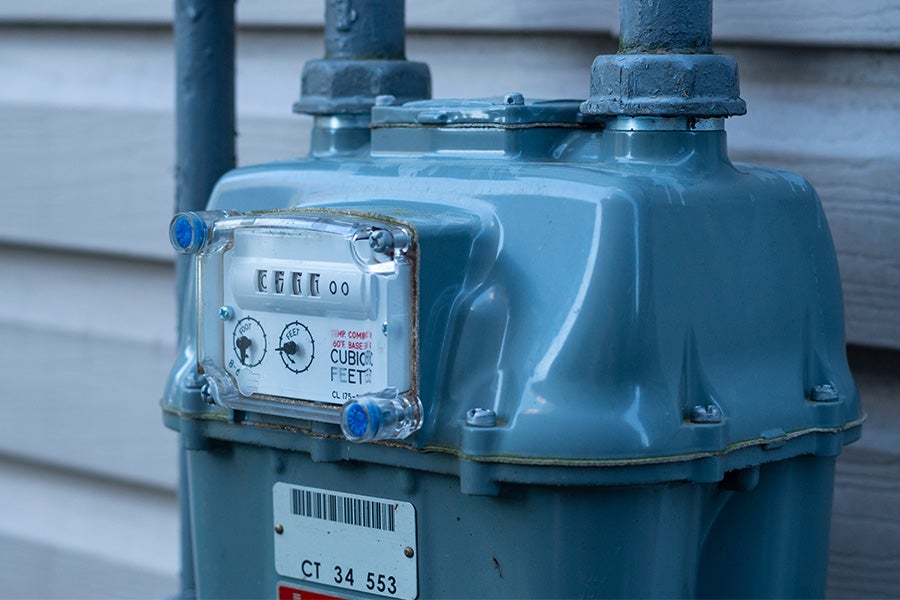
Similarly to your electrical supply, your boiler needs a constant flow of gas to keep working. If your gas supply is interrupted for any reason then that’s the end of your heating and hot water. Here are a few things you can do to check if this is the problem:
The Emergency Control Valve (ECV) is the valve located next to the gas meter. The handle should be labelled indicating the direction for on. If this is in the off position, it stops the supply of gas to your home.
Make sure the valve is in the on position to get your heating and hot water flowing again.
You can find problems with your gas supply by checking other appliances in your home that use gas. If you have a gas hob or fireplace, try to fire them up. If it doesn’t work and you can’t hear gas, then there is a problem with your supply.
If you pay for your gas using a prepayment meter, you may have just run out of credit. Take a look at the meter and check your balance. If you’re out of credit just top it up online or over the phone.
If your credit has dropped to £0 you may need to reset your meter. There are lots of different gas meters out there, so if you don’t know how to reset yours it’s a good idea to find a guide online.
If your gas and electric supply is fine, then it’s time to check your boiler. The easiest way to diagnose a boiler problem is to check its display for fault codes. These codes are different for every boiler brand, but a quick look at your boiler manual will help you figure out what’s wrong.
It could be any one of the below issues:
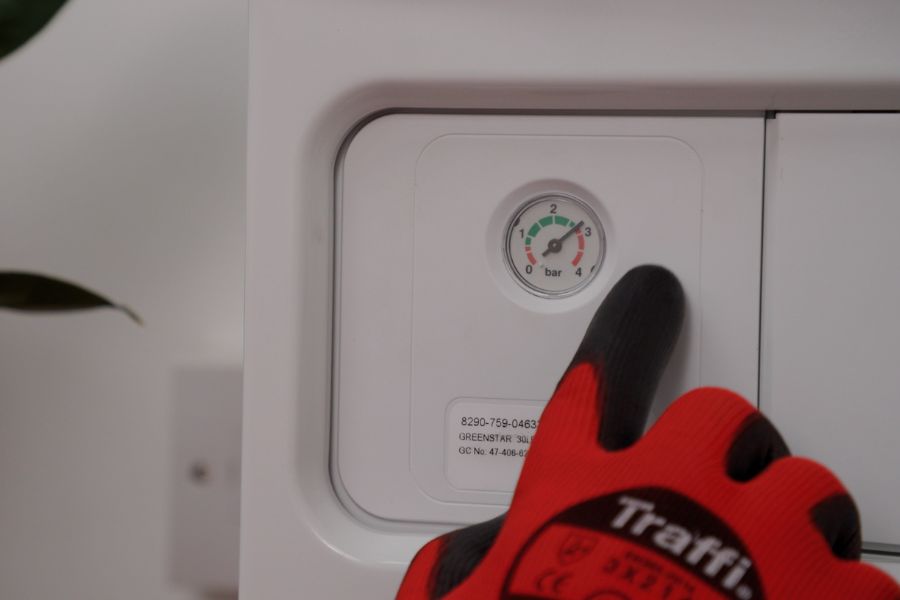
If your pressure reading on your boiler gauge is too high (above 2.75 bar) or too low (below 1 bar), your boiler won’t work properly. Too high or too low and the boiler could turn off and show a fault code.
You can fix low pressure by re-pressurising your boiler and if you have high boiler pressure, check out our guide on how to reduce it.
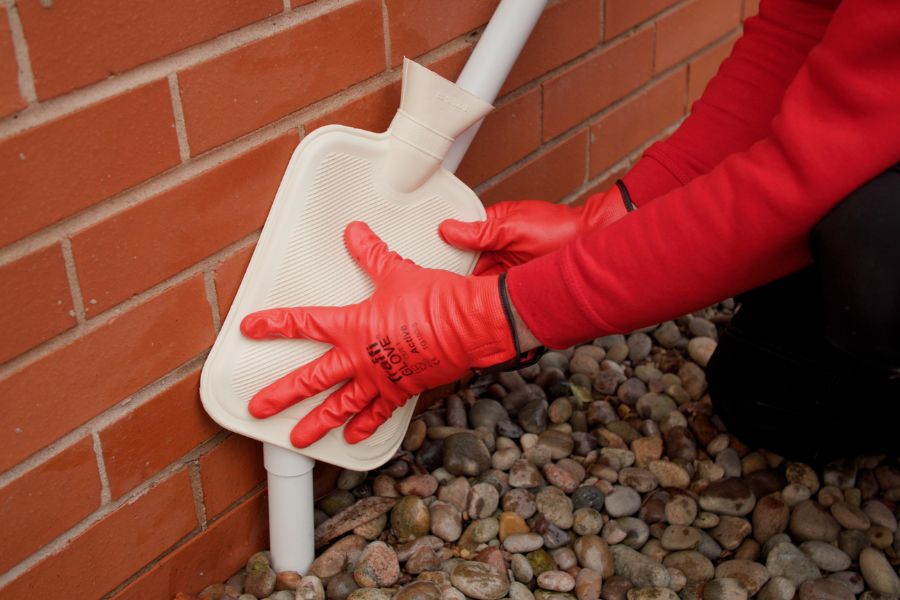
A condensate pipe carries condensation from your boiler to your drainage. It’s usually a white or grey plastic pipe that travels from your boiler to a drainpipe, sometimes through the wall directly outside.
If your condensate pipe does go outside, it may freeze in cold weather, which blocks the pipe and leads to a boiler shutdown.
You can thaw this pipe yourself using a hot water bottle to get your heating and hot water up and running again.
If you have an older boiler with a pilot light, it may have gone out. Check your boiler manual to find out how to relight the pilot light.
Boilers can either have a manual or automatic process for igniting the pilot light, so make sure you’re following the right instructions for your boiler.
Can’t get it to relight? Time to get the professionals in.

Even if you’ve fixed the problem with your boiler, it might not start working again until you’ve done a boiler reset. All boiler models differ, but it usually means finding the reset button and holding it down for 10 seconds.

If you’ve noticed a lack of heating as the weather gets colder, it might be because your thermostat isn’t set high enough.
Between 18 and 21 degrees is a good temperature to aim for, but if you just want to check that your boiler is still responsive, try turning up the heat to see if it hums into action.
Some thermostats also have hot water controls, meaning it’s possible to accidentally turn off your hot water at the touch of a button. Take 5 minutes to check all the settings are as they should be.
Top tip: If your thermostat uses batteries, check they aren’t running low.
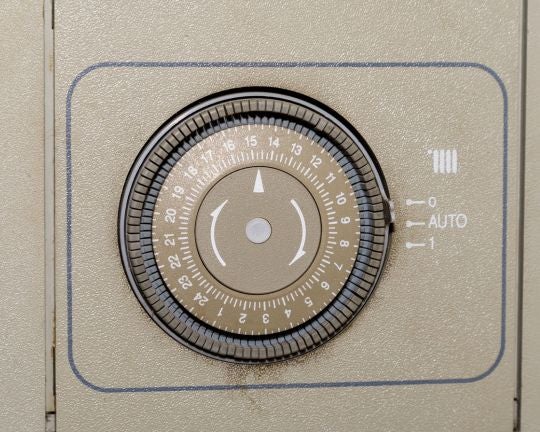
Boiler timers set when your heating comes on and goes off based on the times of the day you need it most.
If you don’t have a timer on your digital thermostat, you could have an analogue timer on your boiler. No matter which version you have, set the timer so that the heating comes on as soon as possible to check it’s still working.
While you can’t defend against every heating or hot water problem, there are some things you can do to maintain your heating system and help prevent boiler issues:
Your boiler can last up to 15 years before it starts experiencing serious problems, but if yours is showing any of the following signs then getting a new boiler could be cheaper in the long run:
Keep having issues with your heating or hot water? It’s worth considering our repairs service, so one of our qualified engineers can come out to resolve the issue for you.
Looking for a longer term solution? To keep your central heating, hot water, and radiators covered in case of unexpected problems, take a look at our range of heating and boiler cover.
Our help & advice articles cover Plumbing, Home heating, Electrical, Energy-saving and Home maintenance.