Electrical advice
What to do when your plug socket stops working
16 Jan 2026 • 6 minutes
Electrical advice
16 Jan 2026 • 6 minutes
Before we get down to business, it’s important to remember that any electrical work should be carried out by a certified electrician, who has the right level of competence to undertake the work safely.
Please keep in mind that while it’s perfectly safe to touch your fuse box, faulty electrics are very dangerous. So, before you start any work, you should ensure that the right risk assessments are carried out, so all work can be completed as safely as possible.
Before you start any work, you should consider:
If you answer yes to any of the above, or you’re not feeling confident in your ability to carry out this work, turn off the electricity to the affected area if safe to do so and seek the help of a qualified electrician.
Before you panic, let’s look at the usual suspects behind a plug socket not working.
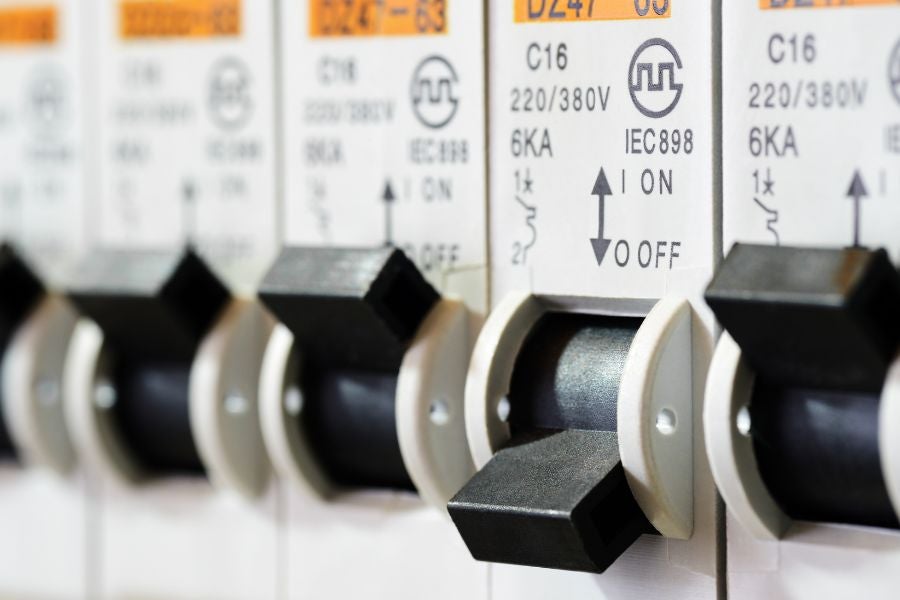
A tripped circuit breaker is one of the most common reasons for a dead plug socket. If the circuit that your socket is on has tripped, it’s likely because of a faulty appliance. Here’s what to do:
If your circuit hasn’t tripped and just one of your plug sockets aren’t working, skip to our faulty socket explainer.
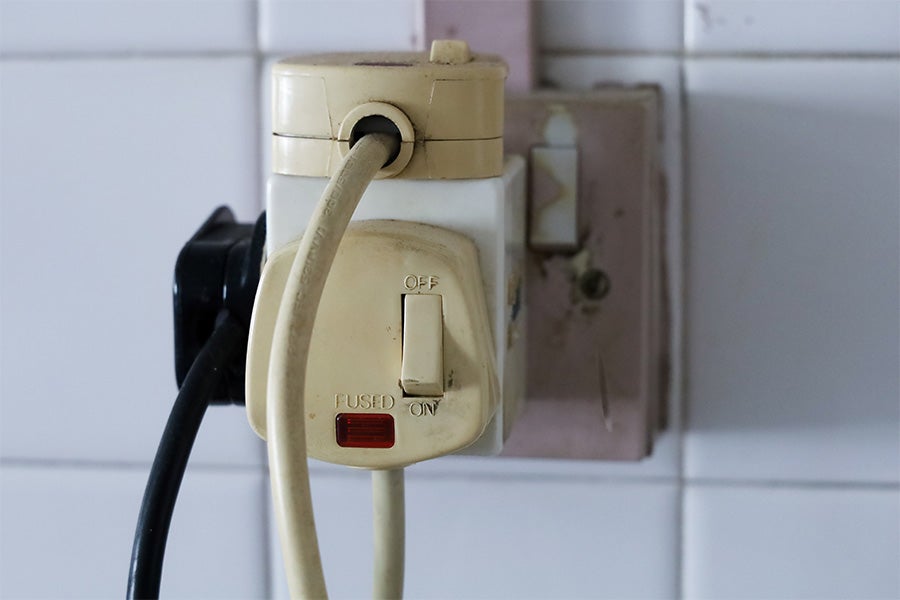
Plugging too many devices into the same circuit can overload it, tripping your circuit breaker and causing sockets to stop working.
Fixing the problem is pretty simple: unplug some of your devices to reduce the load on the circuit. Start by unplugging any extension blocks or power strips, where wall sockets are being used to power several devices.
Top tip: Anything that produces heat i.e. toasters, air fryers and similar kitchen appliances often contribute to overloaded circuits.
After unplugging some devices and reducing the use of power strips, find your consumer unit and reset the breaker using the instructions above. If the switch stays up you’ve fixed it! If it doesn’t then it’s time to call an electrician. Once again, if the switch doesn’t stay up, don’t keep trying. Leave the circuit off and wait for an electrician.
Just one plug socket not working? It could be an issue with the socket, or how it was installed.
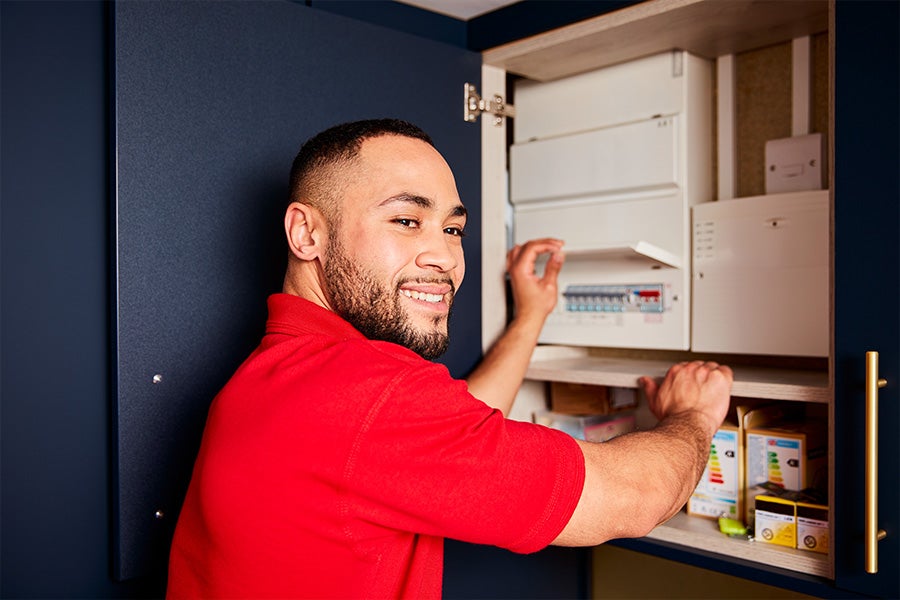
Safety first – your socket might not be working but if the circuit hasn’t tripped it’s still connected to live electricity. Find your fuse box (consumer unit) and shut the power off.
Once it’s safe to continue, inspect the socket for:
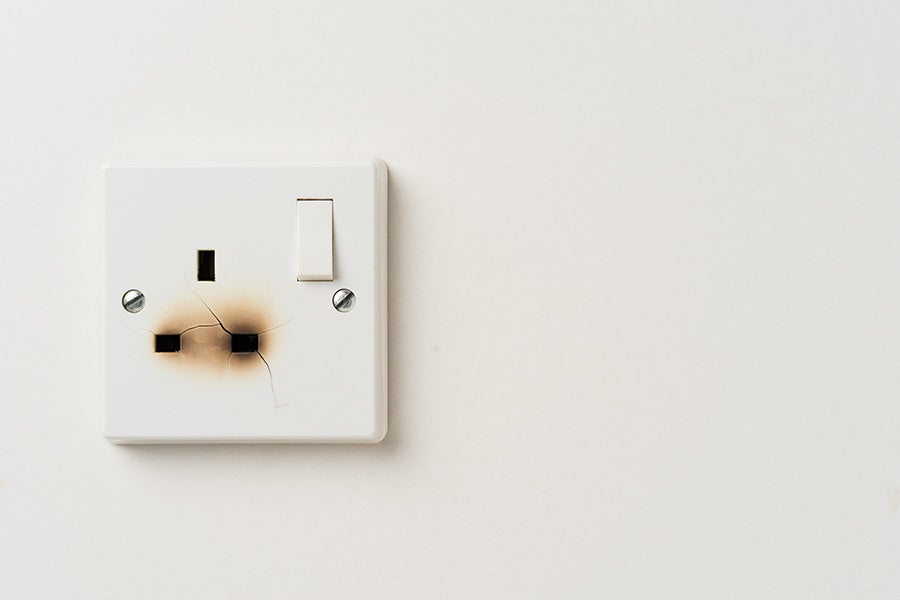
Check for scorch marks, discolouration, cracks, or melting. These are signs of overheating caused by a bad connection. You’ll need an electrician to assess the problem and fix it safely.
Check that the faceplate is securely attached to the wall. Tightening the faceplate is unlikely to fix the socket, but it is a sign that the socket might not have been installed correctly.
With the power switched off you can loosen the faceplate with an insulated screwdriver. If you don’t have an insulated screwdriver, it's worth getting one of these for any electrical work. If you notice frayed, broken or loose wires, do not attempt to fix them yourself. This is a job for an electrician.
If you’re unsure about any of the above, it’s best to call an electrician. Electrical faults can be dangerous, and a qualified professional will ensure everything is safe and compliant.
Plug sockets don’t last forever. On average, sockets should be replaced every 10–15 years, or sooner if you notice signs of wear, damage, or overheating.
Don’t let electrical problems disrupt your day. HomeServe is here to help with reliable, professional Electrical cover. Whether it’s a faulty socket or a bigger issue, we’re on our way.
Our help & advice articles cover Plumbing, Home heating, Electrical, Energy-saving and Home maintenance.